
Dementia is not a specific illness; rather, it is a general term describing an impairment of mental function with an impact on one or more day-to-day living functions. Fewer functioning or fewer functioning brain cells cause alteration of the brain functions. This occurs commonly among older patients, but it should not be separated from normal aging.
Amongst dementia, Alzheimer’s disease is the biggest one, and others are vascular diseases and Lewy body dementia. Knowledge of the symptoms is important for an early diagnosis and good management of the problem.
Common Symptoms for Dementia
Dementia can present differently for each individual, but some common symptoms include:
1. Memory Loss
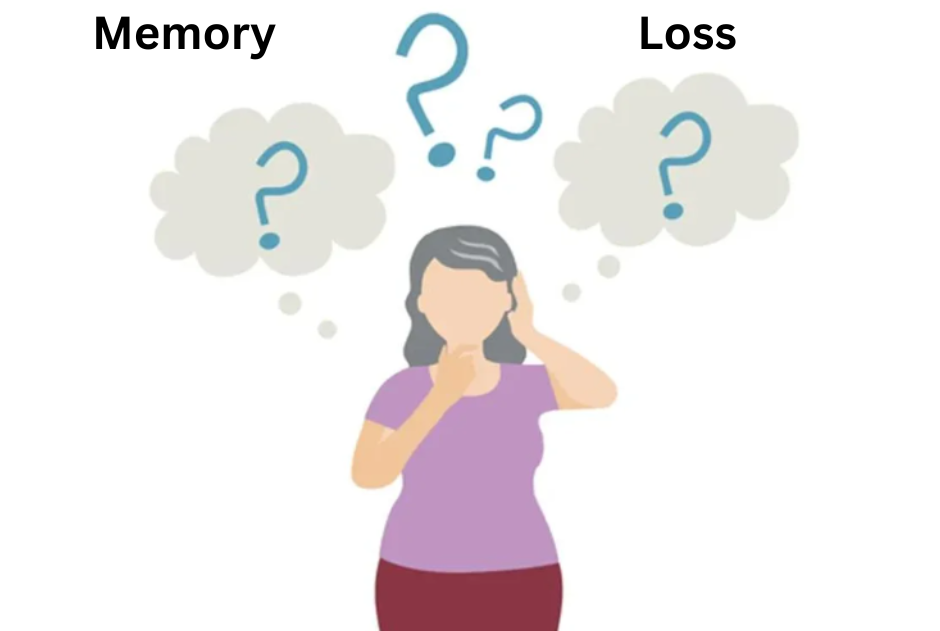
Oftentimes, it begins with forgetting what someone has just said and misplacing one’s things. Repeating oneself or not remembering appointments may happen.
2. Difficulties with Thinking and Problem Solving
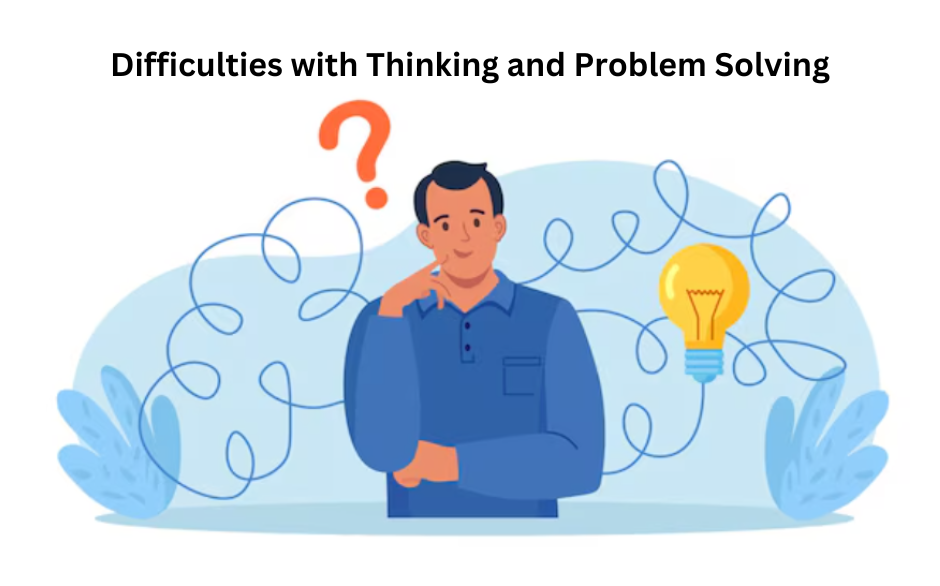
Some unavoidable tasks, such as balancing the books, maybe too hard. Decision-making may be scary.
3. Difficulties with Speaking and Communication
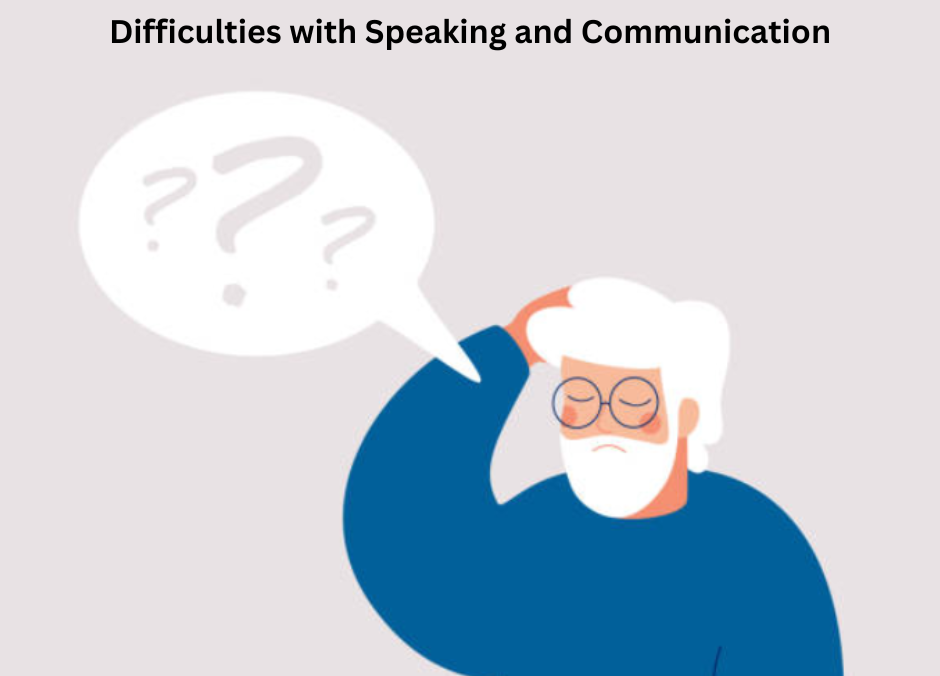
It is a struggle to get the right words out or to keep up with conversations. One can find themselves midway through a sentence, yet unable to continue.
4. Confused and Disoriented
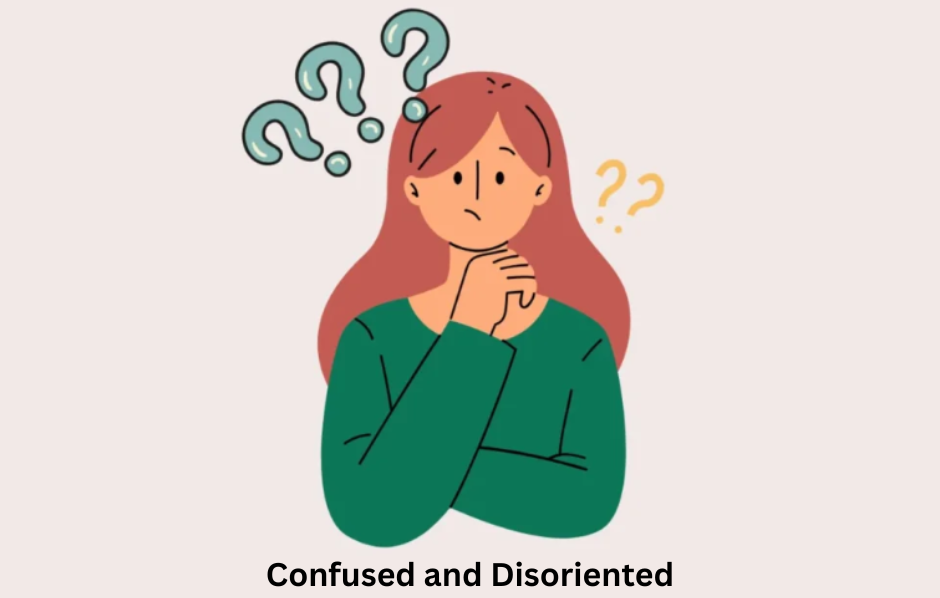
Those suffering from dementia may wander into places they have already known or be unable to drag themselves out of the pattern of saying the correct day. Faces and names might be forgotten.
5. Sudden Changes in Mood and Personality
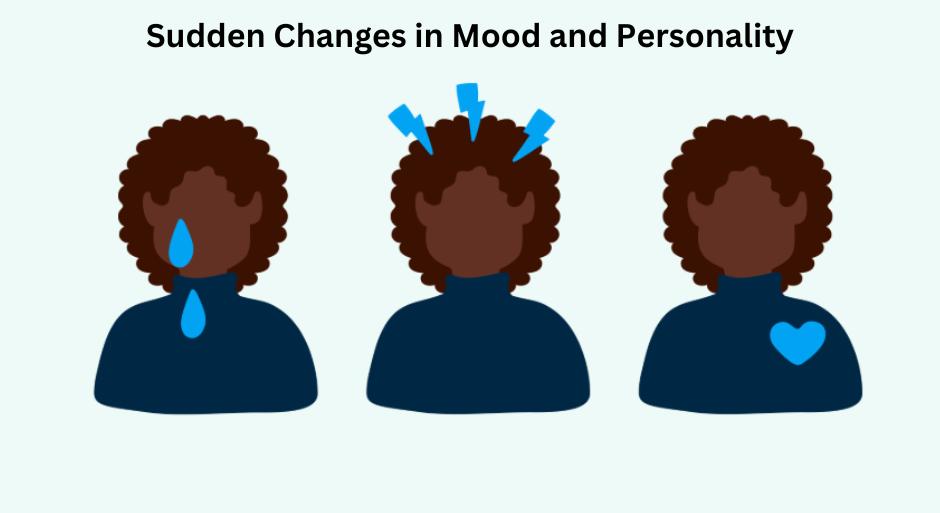
Commonly seen changes are in moods: one can feel grumpy, anxious, and uncertain. Some would withdraw from the environment while others would lose interest in activities that formerly gave them joy.
6. Something Simple Becoming a Challenge
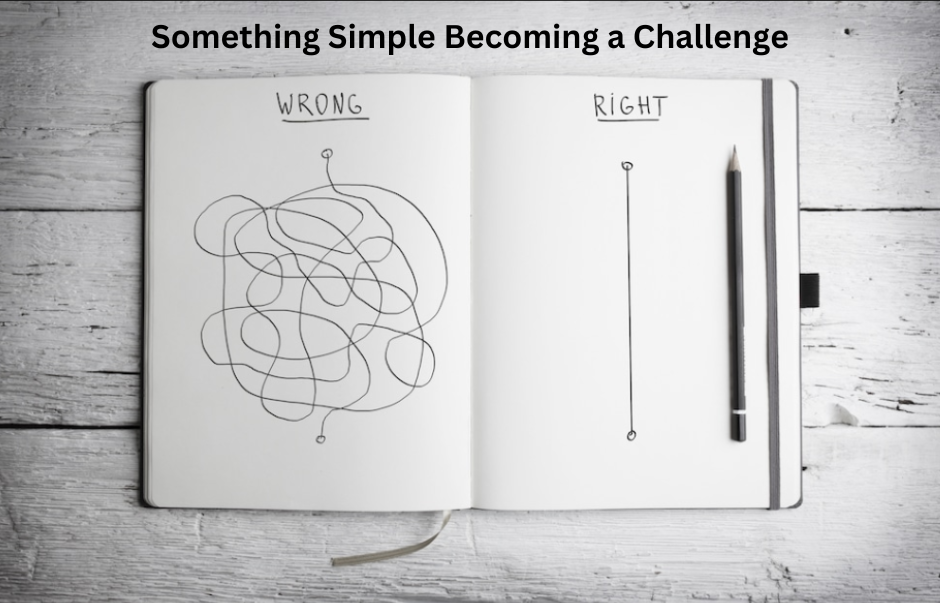
Simple chores like cooking, dressing, or taking medication are challenging. Ordinary day-to-day operations appear daunting.
When to Seek Help
If any of the above symptoms apply to you or to someone you know, a doctor must be consulted. Symptoms are so well managed if they are diagnosed at an early stage and appropriate help is sought.
Concluding Remarks
It is hard enough to face dementia, but the sooner the symptoms are detected, the better the care and planning will be. If you suspect altered behavior or memory loss, contact a health professional without delay. The sooner you do, the better the outcome will be.