
Not everything about being a health professional is medical knowledge or technical skill—occasionally it’s the way that you treat other people. Whomever it is—the families, patients, or staff—it’s the way that you engage, empathize, and modify that makes the difference in caregiving. Soft skills are healthcare’s behind-the-scenes heroes: they assist in getting you through a difficult moment, establish trust, and ensure a positive outcome. So, what are the primary soft skills, and how do you develop them? Let’s get going.
1. Communication: More Than Just Words
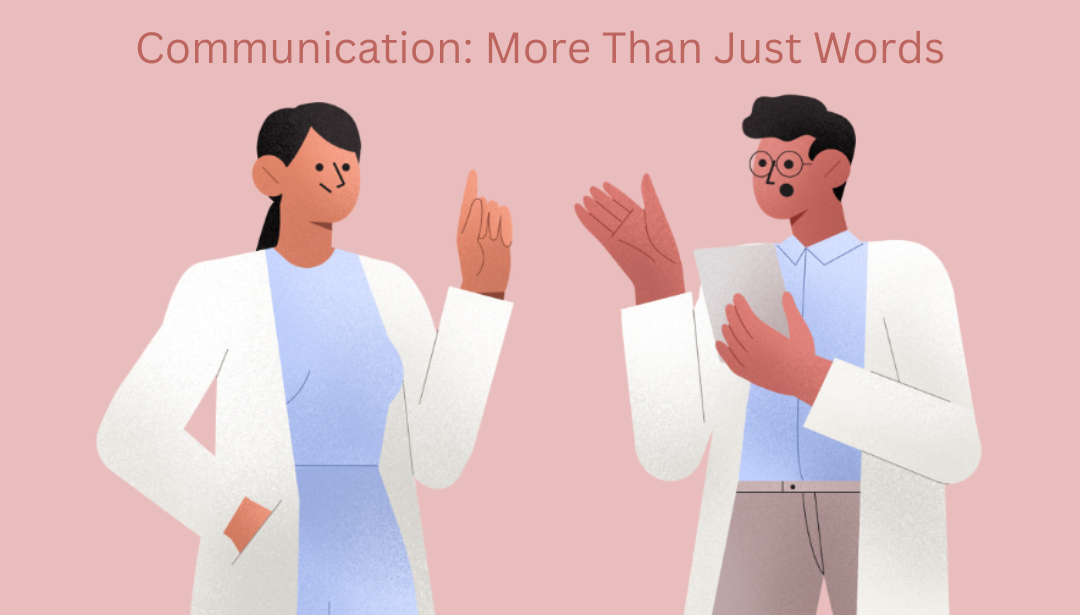
Effective communication is at the top of any healthcare profession. Patients are counting on you to describe their diseases in a way they can wrap their heads around, and colleagues need directions clearly stated so there is no lag in teamwork. But it’s not all talk—it’s listening as well.
How to Enhance It:
Create active listening by reading out key information to patients to verify understanding.
Observe and respect verbal and non-verbal cues, e.g., tone of voice and body language.
Adjust style with varying audiences—different individuals need different styles, i.e., families, doctors, and patients all need varying styles.
2. Empathy: The Human Touch
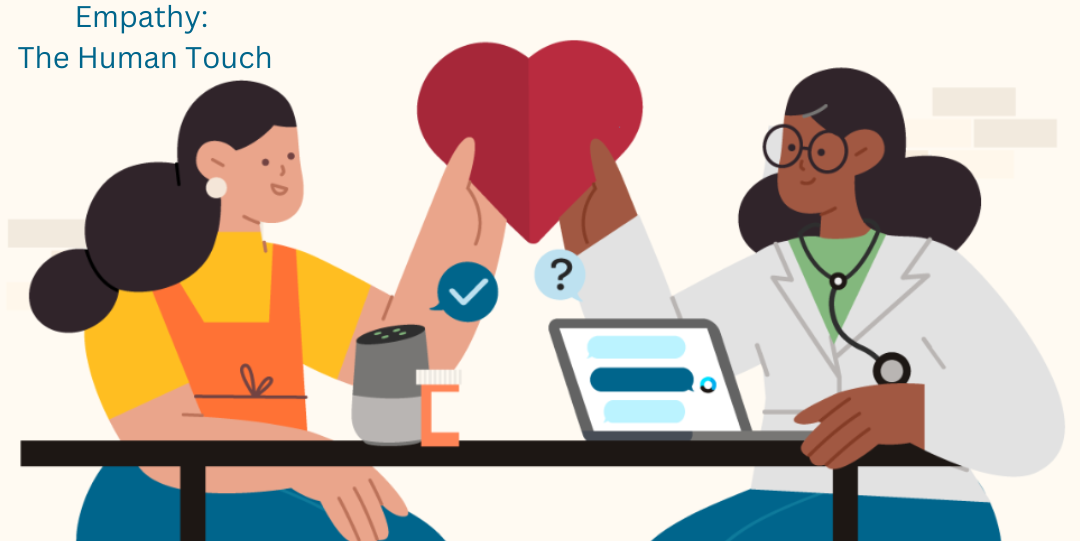
Put yourself in a hospital bed, frightened and with no clue what is going on. Do you desire a robotic reply or a compassionate presence? Compassion turns a good healthcare provider into an excellent one. It lets the patient hear, be respected, and feel cared for.
How to Improve It:
Step back and take a moment to think about how your patient is feeling.
Use small gestures such as a reassuring smile or clap on the back at the right moment.
Be stressed, but patient—your empathy can be the turning point.
3. Flexibility: Be Prepared for the Unexpected
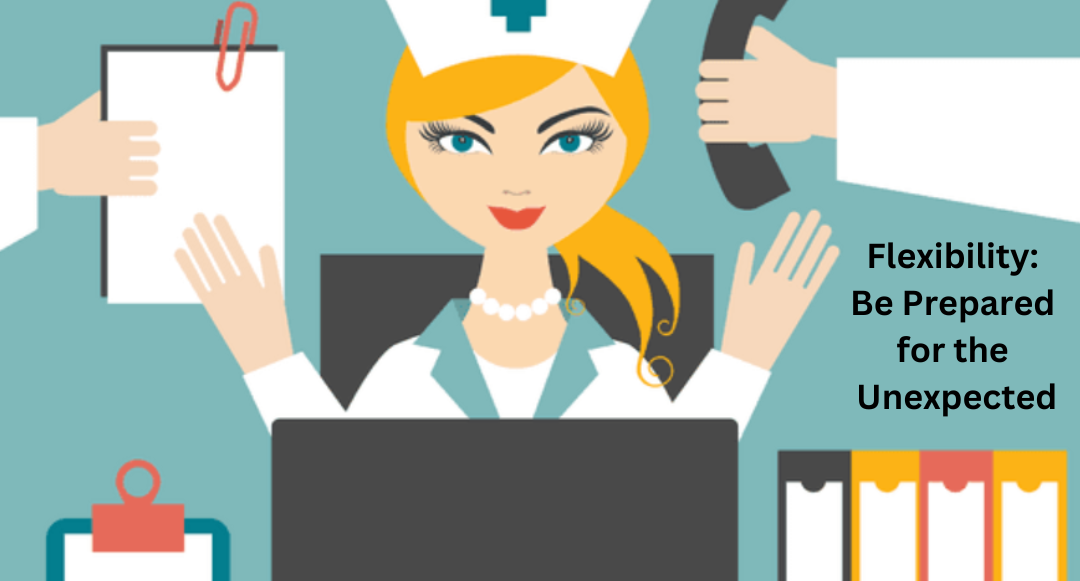
Two days of medical treatment never pass without change. One minute you’re reading from the book, the next minute you’re in crisis mode. Flexibility and adaptability keep your cool and enable you to cope with whatever comes along.
How to Improve It
Be receptive to learning new procedures, technology, and processes.
Remain optimistic when things turn around differently.
Practice mindfulness to be present and attentive in high-stress situations.
4. Teamwork: It’s a Group Effort
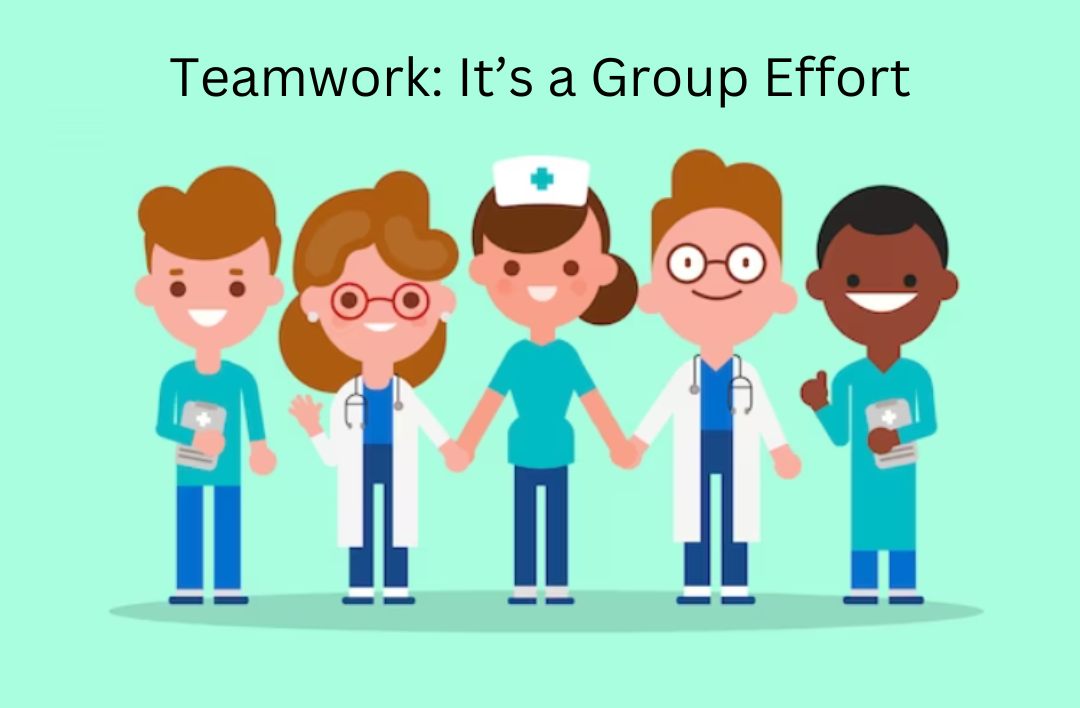
In healthcare, you’re never working alone. Whether you’re part of a surgical team, a nursing staff, or an administrative group, collaboration is essential. Good teamwork ensures patients get the best care possible.
How to Improve It:
Treat all input with respect—every member of the team is important.
Be open to constructive criticism and feedback.
Assist others and offer a helping hand when required.
5. Problem-Solving: Thinking on Your Feet
Medical practice has its share of surprises. From making instant judgments in emergent situations to identifying underlying illnesses, thinking on your feet and problem-solving are essential.
How to Improve It:
Keep yourself abreast of advances in medicine and best practices.
Meet challenges with a clear head and rational mind.
Practice real-case scenarios to hone your critical thinking.
6. Time Management: Making Every Second Count
With patients to attend to, papers to fill, and emergencies that inevitably crop up, you have to be smart about your time. Effective prioritizing of tasks will smoothen your day and give your patients better care.
How to Improve It:
Use scheduling programs or tools to monitor your tasks.
Learn to delegate when you have to—teamwork makes the load lighter.
Set realistic goals and deadlines to be ahead of schedule.
7. Emotional Resilience: Weathering the Storm
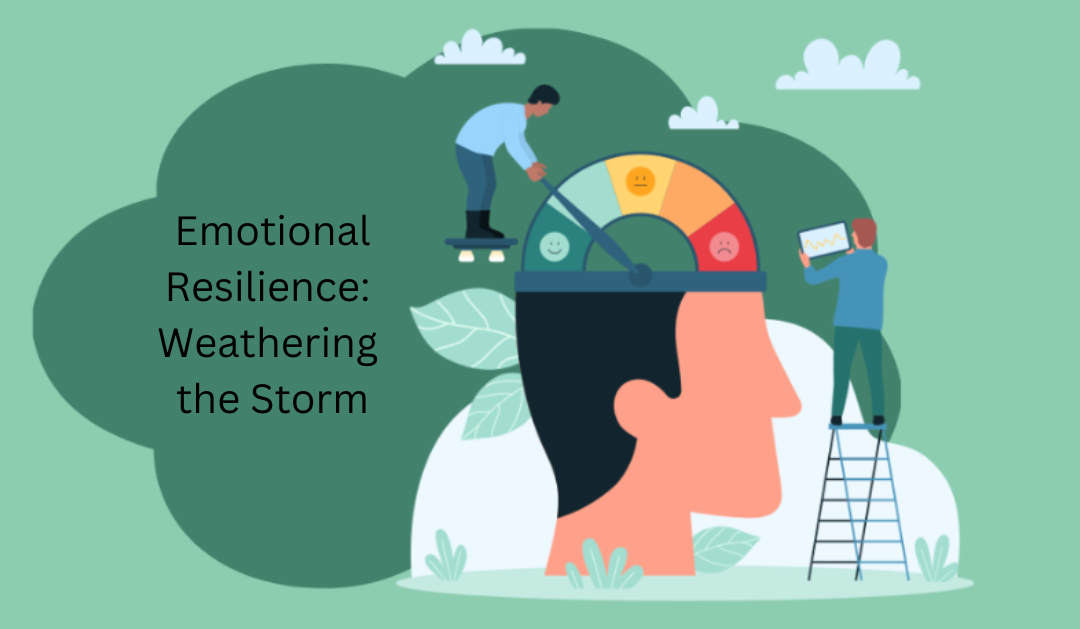
Health care is emotionally taxing. Dealing with suffering patients, dealing with tough cases, and losing patients can be draining. Emotional resilience enables you to weather these storms and continue giving your best.
How to Develop It:
Identify the healthiest way of releasing tension, e.g., exercise, journaling, or speaking with a mentor.
Consult others or professional counselors when necessary.
Rest whenever necessary to prevent burnout.
Last Thoughts
Ultimately, it’s not a technical skill that being a health professional is all about—it’s being human. Aiming to cultivate strong communication, empathy, adaptability, and teamwork skills will make you a fantastic professional and enrich the patients’ lives whom you treat. Regardless of your position on the job ladder, these soft skills will make you a success at your career and truly make an impact.
Which of these skills do you believe is the most crucial? Let us hear from you in the comments!