
The healthcare sector in the UK has battled with staffing levels for decades, but overseas recruitment is more commonly employed to fill the gap. With mounting pressure on the health service and fewer homegrown graduates to tap into, employers are resorting to recruiting assistance from abroad to fill the gaps more and more. That is why the shift matters and how it’s impacting healthcare in the future of the UK.
Why International Recruitment Is Growing
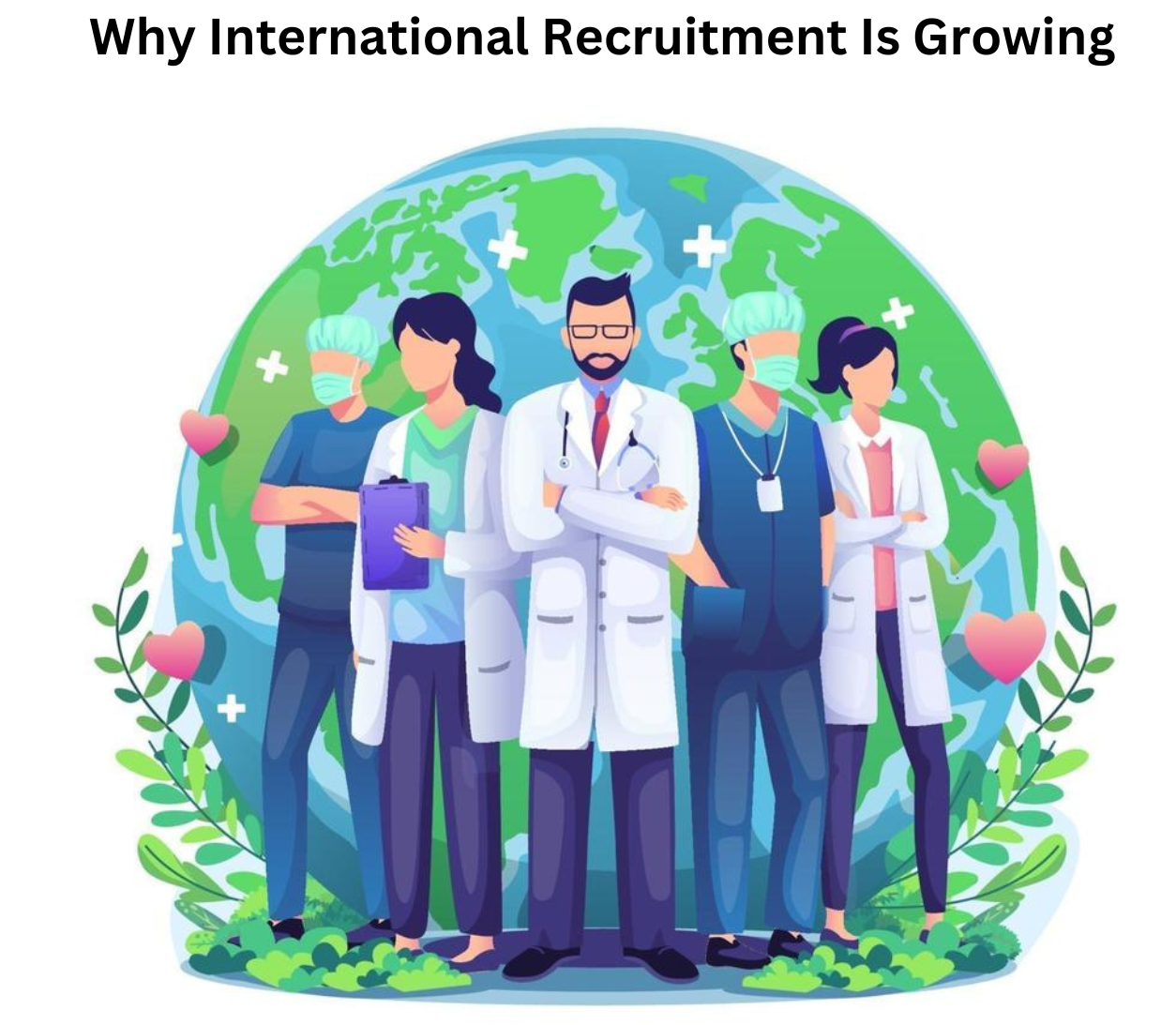
Brexit, demographic aging, and the COVID-19 pandemic all have caused severe pressure on the UK health sector. Less EU workers and heightened care needs have exacerbated one another to amplify the challenge of replacing key jobs. To respond, the government relaxed visa regulations for healthcare staff to provide better avenues for Indian, Philippine, and Nigerian experts to work within the UK.
International recruitment allows for the speedy filling of vacancies, especially for nursing, care, and specialist roles. From the employer’s point of view, this offers a greater pool of talent and reduced pressure on already exhausted teams.
Benefits for UK Employers

International recruitment offers several advantages:
- Reduced Recruitment Time: Higher numbers of potential recruits reduce recruitment time.
- More Skills and Experience: International workers introduce new ideas and practical experience, improving patient care.
- Better Retention: Foreign recruits tend to seek long-term employment; thus, they contribute to a stable workforce.
Challenges of International Hiring

As much as the glaring benefits exist, international recruitment is not without its issues:
- Visa and Sponsorship Fees: Employers have to pay visa fees and sponsorships that are costly.
- Induction and Adapting: The recruits will need more training to adapt to the UK’s healthcare system.
- Ethical Implications: Having to recruit nurses from countries in need of healthcare is ethically dubious from the point of sustainability.
How Employers Can Succeed

International recruitment is only going to work if companies have a thoroughly considered strategy:
- Streamline the Visa Application: Employ top recruitment agencies to handle the administrative tasks.
- Provide Good Back-Up: Provide accommodation, culture adaptation, and career development backup.
- Plan Career Pathways: Training and career development paths increase retention levels and job satisfaction.
The Future of Healthcare Recruitment

International recruitment will remain among the UK health policy agenda’s stalwarts. With increasing healthcare service demands, employers will need to supplement local training schemes with successful and ethical international recruitment strategies. Diverse, well-maintained medical workforces will become imperative in providing quality patient care and maintaining a better healthcare system.
Final Thoughts
It is transforming UK health care and is viewed by employers as a solution to shortages and a way to create a more skilled and diverse workforce. If managed properly, international recruitment has the potential to bring dividends for health professionals and patients alike.