
In a forceful and biting assertion that has generated widespread debate, a prominent union leader recently asserted that nursing is not yet considered seriously, primarily because it is a woman-dominated profession. The observation highlights entrenched gender bias in health care and raises anew a significant issue about how society values — or devalues — caring work.
A Voice from the Frontline
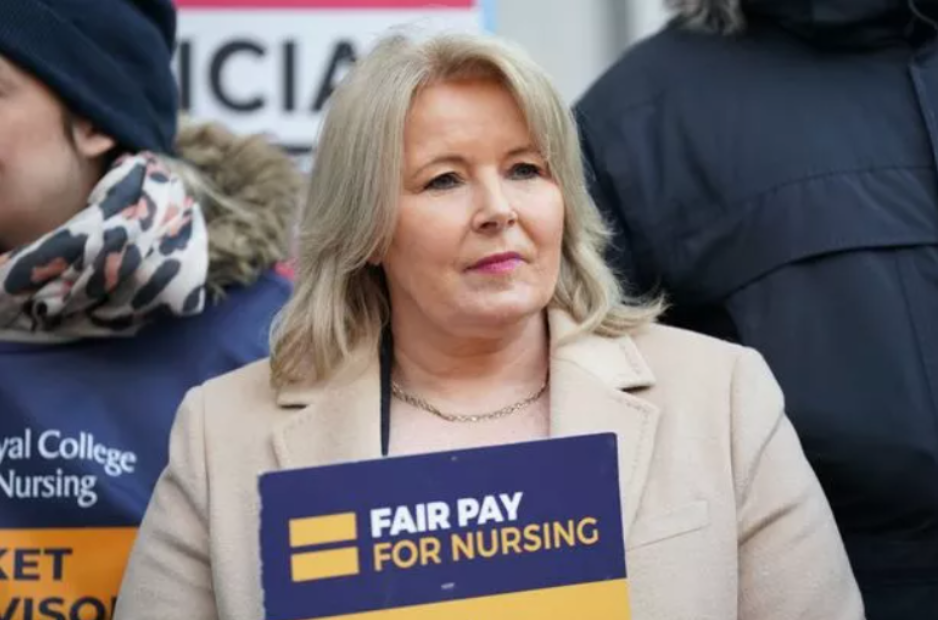
Pat Cullen, General Secretary of the Royal College of Nursing (RCN), was making headlines as she said that nursing is still regarded as a “Cinderella profession” — underpaid, overworked, and often ignored in big policy and pay decisions. She believed that if nursing was a male occupation, it would probably be more respected, better funded, and more fairly treated.
And she’s not the only one to think so.
Numerous nurses in the UK have joined her in expressing these concerns, highlighting how assumptions based on gender have constructed the profession, from salaries to expectations at work and career advancement.
The Gender Pay and Respect Gap
Nursing has traditionally been viewed as an extension of “women’s work” — a nurturing, caring role often poorly valued economically. Although the work is highly skilled and vital, nurses have long fought for equitable pay and parity with other healthcare workers, especially doctors, who remain more likely to be male.
Current industrial action by NHS nurses pointed out the way that so many feel undervalued and pushed to the limit. Even at the frontlines of the COVID-19 pandemic, where they have played a crucial role, many nurses feel their efforts have not been rewarded with real change in terms of pay, staffing numbers, or government policy.
Statistics Paint the Picture

- More than 90% of registered nurses in the UK are female.
- The typical nurse makes much less money than other healthcare workers, even with rising responsibility and care complexity.
- NHS Trusts’ leadership and healthcare boards continue to be disproportionately filled with men, even in nursing roles.
This mismatch between who performs the work and who wields the influence supports the conclusion that there is systemic gender bias.
Why It Matters
The consequences are larger than salaries and professional egos. If nursing is devalued:
- Patient care is compromised. Short-staffed wards, exhausted nurses, and burnout are the usual outcome.
- Morale in the workplace plummets. High turnover and early departures from the profession are becoming increasing trends.
- It is more difficult to recruit. Young people — particularly men — are less likely to join a profession they perceive as underpaid and undervalued.
Appreciating the worth of nursing isn’t merely a matter of equality. It’s a matter of sustainability, patient safety, and the NHS’s future.
Shifting the Narrative
To resolve these challenges, union bosses, health campaigners, and those working at the sharp end of healthcare are demanding:
- Reform of pay to reward the skills, accountability, and emotional labour of the profession.
- Cultural shift that dismantles out-of-date attitudes towards nursing as “women’s work.”
- Superior representation of nurses in senior decision-making roles.
And perhaps most profoundly, they’re demanding a change in how we as a society think about care — not as something mushy or ancillary, but as the foundation of health and wellbeing.
Final Thoughts
The union boss’s words might have been provocative, but far from unfounded. Nursing is one of the nation’s most trusted and critical professions and yet still battles for elementary respect. If we aspire to have a robust, resilient NHS, it’s time we set aside old-fashioned gender stereotypes and begin respecting nursing for what it is: a skilled, vital, and professional cornerstone of our health system.