
If you’re starting a career in healthcare or moving to a new role, you’ve probably heard about mandatory training. But what exactly does it involve, and why is it so important? Healthcare professionals need to meet strict training standards to ensure they can provide safe, high-quality care. Here’s a clear guide to the essential training and why it matters.
________________________________________
1. What is Mandatory Training?
Mandatory training is the compulsory courses and skills that healthcare staff must do as required by law or professional rules. It ensures that staff are skilled in caring for patients responsibly and safely.
It is the employers’ job to give you the training, but you must stay current and compliant to maintain your professional registration and deliver safe care.
________________________________________
2. Core Mandatory Training for Healthcare Workers
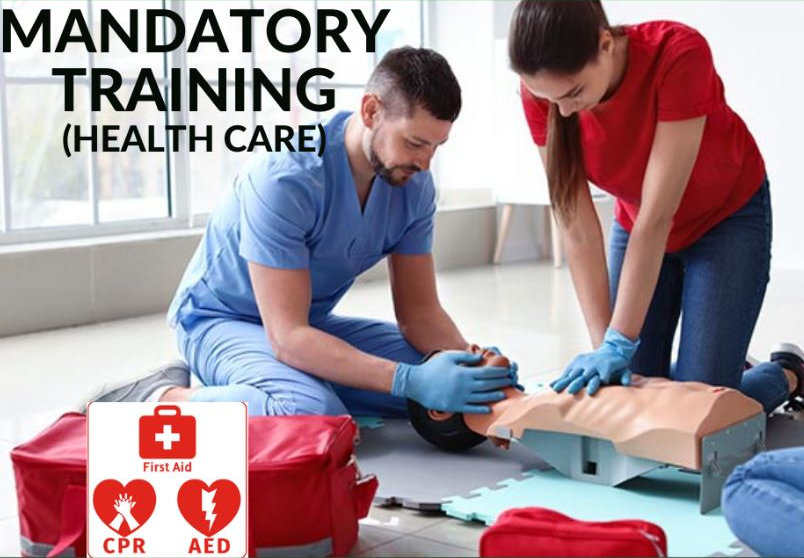
While personal needs will vary depending on your employer and role, most healthcare workers are asked to complete the following core training:
Basic Life Support (BLS)
• Covers CPR and the management of cardiac and respiratory arrest.
• Primarily, typically refreshed annually.
Infection Prevention and Control
• Covers prevention of infection transmission through hygiene and personal protective equipment.
• Safety essential to patient and staff.
Safeguarding Adults and Children
• Particularly focuses on identifying and responding to signs of abuse or neglect.
• Compulsory for every healthcare professional.
Health and Safety
• Manage fire safety, manual handling, and workplace risks.
• Help maintain a healthy working environment for employees and patients.
Equality, Diversity, and Human Rights
• Enables courteous, non-judgmental care of all patients.
• Helps build trust and understanding at work.
Manual Handling
• Facilitates safe methods in lifting and moving patients and equipment.
• Divides risk of injury.
Data Protection and Confidentiality
• Covers GDPR and safe management of patient data.
• Permits legal compliance.
________________________________________
3. Role-Specific Training

You may also need specialist training, depending on your role:
• Medication Management – Nurses and care staff giving medication.
• Mental Health Awareness – Mental health staff.
• Palliative Care – Staff caring for dying patients.
• First Aid – Medical personnel in emergency positions.
________________________________________
4. How Often Do You Need to Renew Mandatory Training?
•The majority of training needs to be renewed every year or 2–3 years.
•Employers will typically organize updates, but you must stay current.
________________________________________
5. Why Mandatory Training Matters
✅ Ensures Patient Safety – reduces the chance of errors and improves the standard of care.
✅ Protects You and Your Employer – Ensures you’re following professional and legal standards.
✅ Building Confidence and Competency – Develops your skills so you’re best prepared to meet challenges.
______________________________________
6. Keeping Current with Mandatory Training
Mark Expiration Dates – Using calendars, make a record of when you need to update.
Be Proactive in Web and Classroom Training – Switch between different means of training to reinforce learning.
Ask for Help – If you are in doubt on any point of the training, ask your training manager or lead.
________________________________________
Last Thoughts
Forced training could be viewed as a tick-box exercise, but it is essential to ensuring that safe and effective care is delivered. Being up-to-date with what is required and keeping informed with developments will not only ensure you remain compliant but also make you a more confident and competent healthcare professional.