
Dementia is not a disease but rather a broad term used to define numerous conditions that influence the brain. Symptoms are memory loss, confusion, and altered thinking and behavior. A comprehension of the various types of dementia may aid in early detection and improved care. Let us examine the most common types of dementia and how they are different from one another.
1. Alzheimer’s Disease
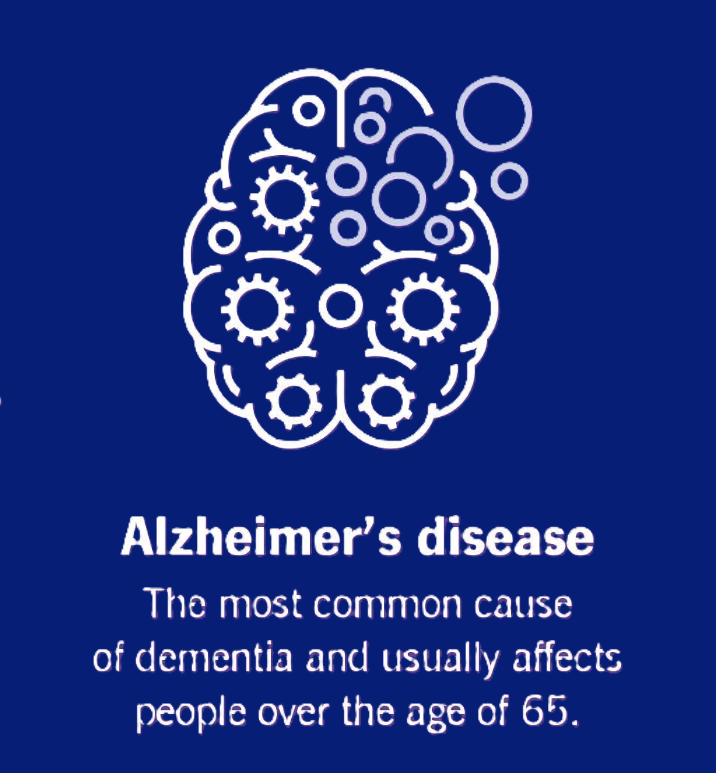
Alzheimer’s disease is the most common type of dementia in patients with an incidence rate of 60 to 70% of all cases. It happens when proteins abnormally pile up in the brain, killing nerve cells and altering their communication.
Symptoms:
– Forgetting (particularly the short-term memory)
– Difficulty in finding lost words
– Disorientation in space and time
– Irritability and withdrawal
2. Vascular Dementia
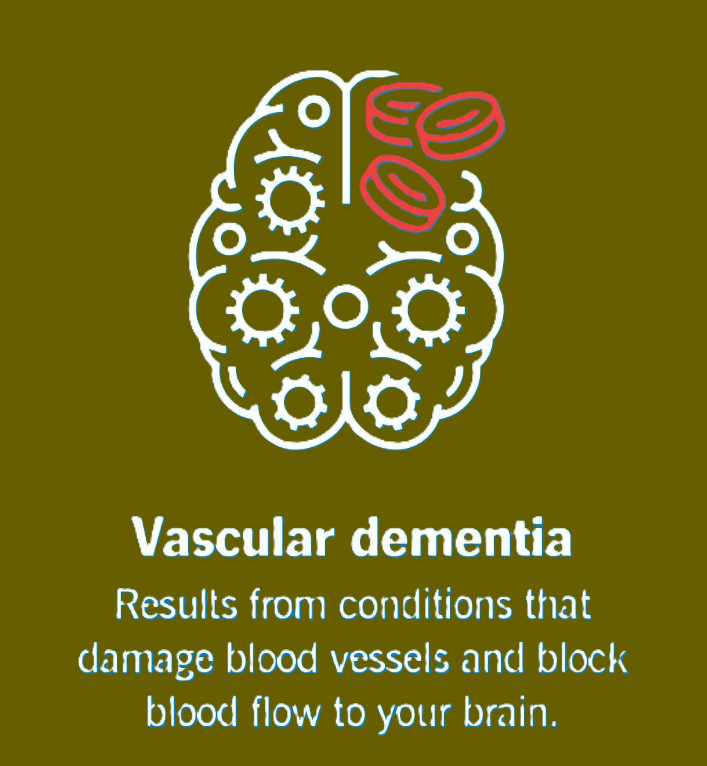
Vascular dementia occurs when the brain lacks a sufficient blood supply due to stroke and other vascular system problems. It is the second most common type of dementia.
Symptoms:
– In difficulty concentrating or making decisions
– Slowness of thought
– Impairment of movement and balance
– Abrupt changing moods
3. Lewy Body Dementia
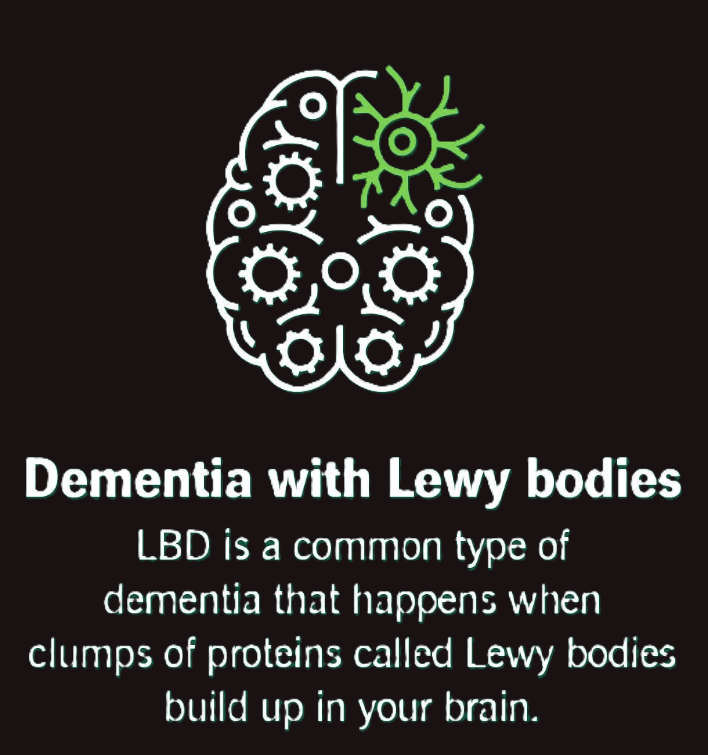
This is caused by the buildup of clumps of proteins (known as Lewy bodies) in the brain that affect movement, thought, and sleep. It is similar in its symptomatology to Parkinson’s disease.
Symptoms:
– Hallucinations
– Disturbed sleep
– Rigidity and tremor
– Fluctuating confusion and attention
4. Frontotemporal Dementia (FTD)
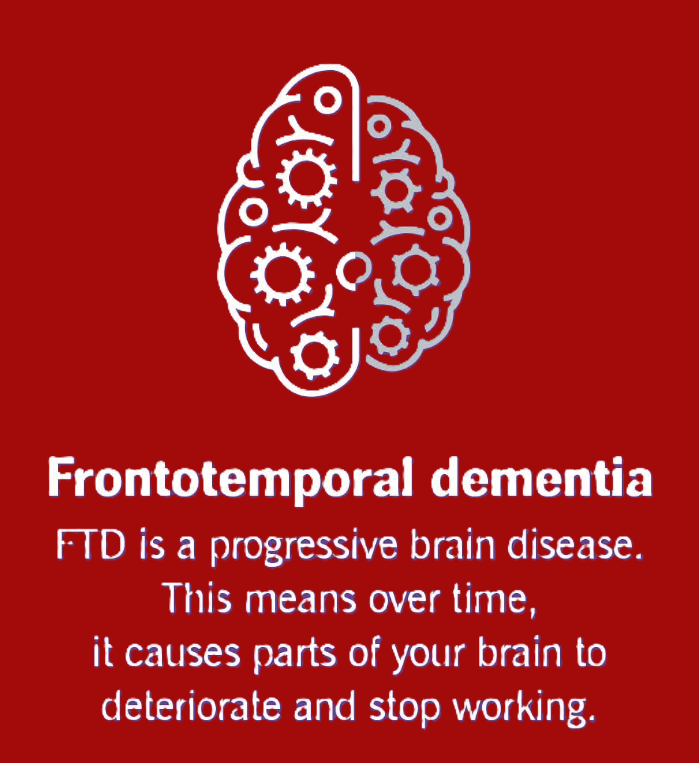
A compromise to the frontal and temporal lobes of the brain with characteristics like personality, behavior, and language, and has a greater tendency to affect people in their 40s to 60s.
Symptoms:
– Alteration in behavior and personality
– Apathy
– Language impairment and difficulty in speaking and understanding
– Loss of motivation and interest for an extended period
5. Mixed Dementia
Mixed dementia is noted when over one type of dementia, that is, Alzheimer’s and vascular, is found in a patient. The occurrence of the symptom’s characteristics of both these types of dementia makes mixed dementia possibly more difficult to treat and diagnose.
Symptoms:
– Loss of memory
– Difficulty thinking and concentrating
– Disorientation and confusion
6. Dementia of Parkinson’s Disease:
A few patients with Parkinson’s disease in late stages will have dementia. Has shared pathology with Lewy body dementia in terms of abnormal protein deposition.
Symptoms:
– Impairment of movement (tremors, stiffness)
– Hallucinations
– Lack of attention and memory
7. Huntington’s Disease Dementia:
Huntington’s disease is a type of condition with slow and gradual degeneration of the brain functions resulting in cognitive and motor impairment.
Key Symptoms:
– Choreic movements
– Memory impairment
– Speech impediment
– Emotional incontinence
Conclusion:
Even though they have varied origins and symptoms, what these shared forms of dementia have in common are changes in memory, thinking, or behavior.