
Your CV is your first opportunity to impress in the health industry. With many health professionals competing for the same roles, creating a CV that reflects your capacity, experience, and passion for healthcare is vital. No matter your career in healthcare – whether as a nurse, health assistant, or administrator – following is a step-by-step guide on how to create a memorable CV.
- Start with a Strong Personal Statement
Your statement is the first thing employers read, so be serious about it. Summarize your experience, best qualities, and what makes you best suited for the job in a couple of sentences.
Example:
“I am an empathetic and detail-oriented Registered Nurse with five years of experience as an acute care professional. Patient care, crises, and collaboration in a high-stress environment are among my areas of specialty. I am dedicated to providing quality patient care and working towards improving patient outcomes on an ongoing basis. I am interested in a challenge where I can utilize my ability and grow as a professional.”
- Highlight Your Principal Skills
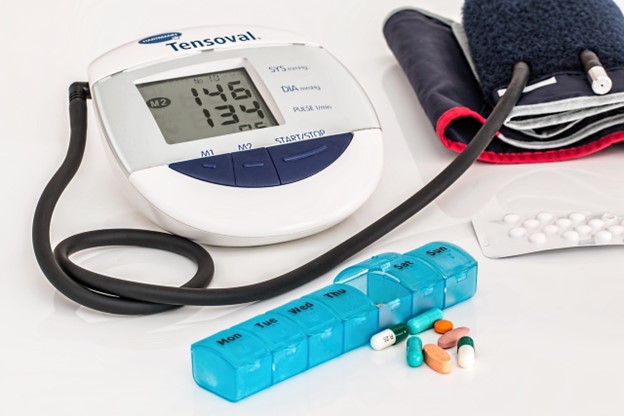
Healthcare employers need some skills, so make sure that you adjust this section based on the job that you are applying for. These are some of the important skills to mention:
Providing patient care and support
Knowing medical terminology
Performing clinical assessments
Following infection control procedures
Being able to effectively communicate with patients and colleagues
Using electronic health records (EHR)
Time management and dealing with pressure
- Emphasize Your Experience
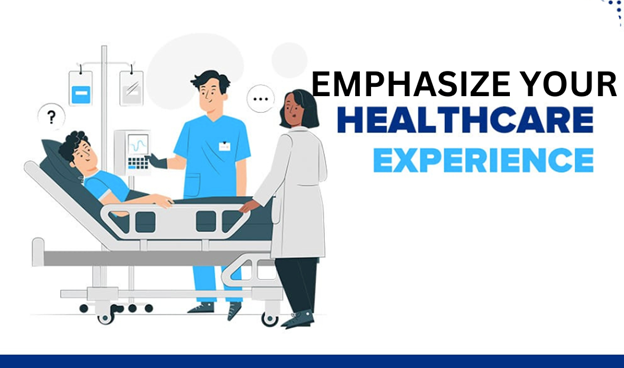
Set out your work experience in reverse chronological order (most recent job first). For each job, put in:
Job title
Employer’s name
Employment dates
Key responsibilities and achievements
For example:
Senior Healthcare Assistant
St. Mary’s Hospital | June 2020 – Present
Assist patients with activities of daily living and monitor vital signs.
Work closely with doctors and nurses to provide better care for patients.
Train junior staff in infection control and patient handling best practice.
- Education and Qualifications

Healthcare work usually involves some qualifications. List yours, including:
The degree or diploma you completed
The university you studied at
The year you graduated
Example:
Diploma in Health and Social Care – Level 3University of London | 2019
- Certifications and Training

Certifications set you apart. Don’t forget to list any that apply, like:
First Aid & CPR Certification
Manual Handling Training
Safeguarding Adults and Children
Infection Prevention and Control
Specialist healthcare certifications (e.g., Phlebotomy, Mental Health First Aid)
- Tailor Your CV to the Job Specification
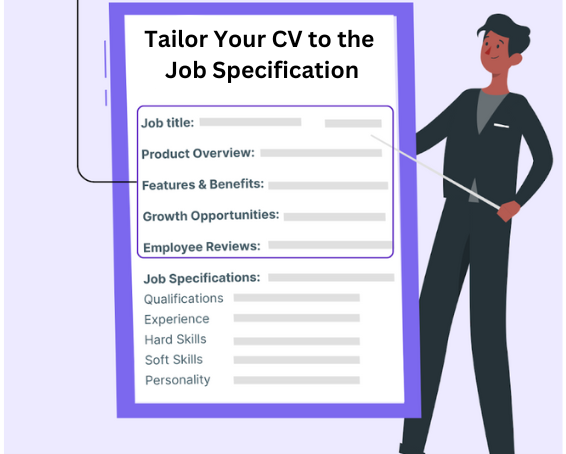
Each healthcare job is different, so customize your CV for each application. Read the advertisement carefully and use relevant keywords to emphasize the experience and skills the employer is looking for.
- Make It Clear and Professional
Aim for 1-2 pages at most.
Use clear headings and bullet points to make it easy to read.
Choose a professional font like Arial, Calibri, or Times New Roman (size 11–12).
Double-check for any spelling or grammar errors.
- Don’t Forget a Cover Letter

A well-written cover letter can boost your chances of landing an interview. Use it to introduce yourself, explain why you’re interested in the role, and highlight your most relevant skills and experience.
Final Tip: Use a Clean, Professional Layout
A well-effective CV leaves a lasting impression. Attempt to use a CV template to keep your document clean, formatted, and readable.
Applying these rules, you’ll be well on your way to a healthcare CV that grabs attention and lands your desired job. Good luck!