
Want to switch your career to the healthcare field but fear that you won’t have experience? Fear not! Lots of people do it, and the good news is that lots of entry-level positions don’t expect you to have prior healthcare experience. With employment, job security, career progression, and the ability to make real change, a career in the healthcare industry is an excellent career to transition into. This is how you get started if you are transitioning from a retail, hospitality, or any other sector.
1. Pick the Correct Job for You

There are numerous healthcare jobs that do not require experience. Some good places to start:
Healthcare Assistant (HCA) – Assists nurses with patient care activities such as feeding, bathing, and mobilization.
Medical Receptionist – Manages appointments, records, and welcoming patients.
Phlebotomist – Takes blood for testing (takes a short training course).
Caregiver or Support Worker – Assists in care homes or in private residences with activities of daily living.
Medical Administrative Assistant – Coordinates paperwork and office duties in medical settings.
Selecting a career that is well-matched to your talents and passions makes the change simple and enjoyable.
2. Get Some Basic Training
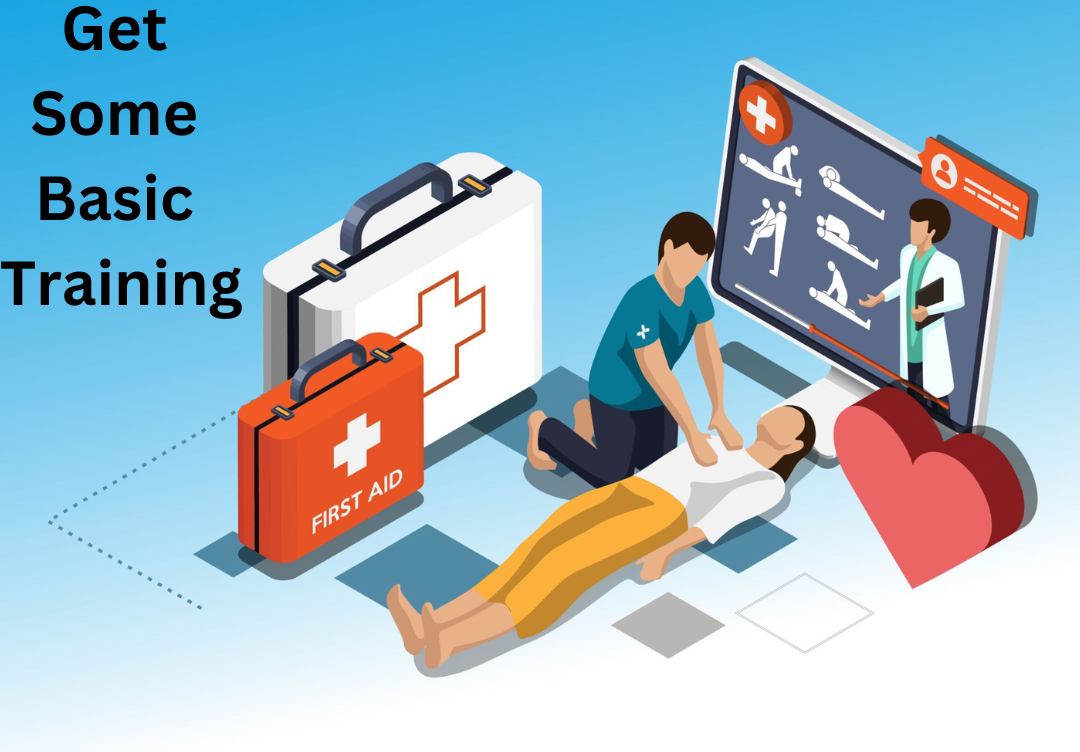
Although some positions provide in-job training, a few qualifications can improve your chances. Look at:
Short courses – First aid, CPR, or healthcare support certificates.
Online courses – Sites like Coursera, Udemy, or FutureLearn provide affordable courses.
Community college courses – Diplomas or certificates in patient care, medical administration, or support work.
Apprenticeships or traineeships – Some hospitals and care homes provide paid training schemes.
A bit of light training will spice your application as well as make you feel more confident once you take your new role.
3. Highlight Your Transferable Skills

Maybe you’ve never worked in the healthcare field at all, but chances are that you do have skills that are transferable to the healthcare field. For example:
Communication & Customer Service – You have people skills if you’ve worked in retail or hospitality—a vast part of healthcare.
Organization & Time Management – Working with work, paperwork, and schedules is needed in hectic healthcare settings.
Problem-Solving – Flexibility when adjusting to issues is significant while delivering patient care.
Empathy & Patience – Nursing is all about helping people, and empathy plays a vital role.
Make sure that you show these skills prominently on your resume and in the course of the interview!
4. Get Hands-On Experience
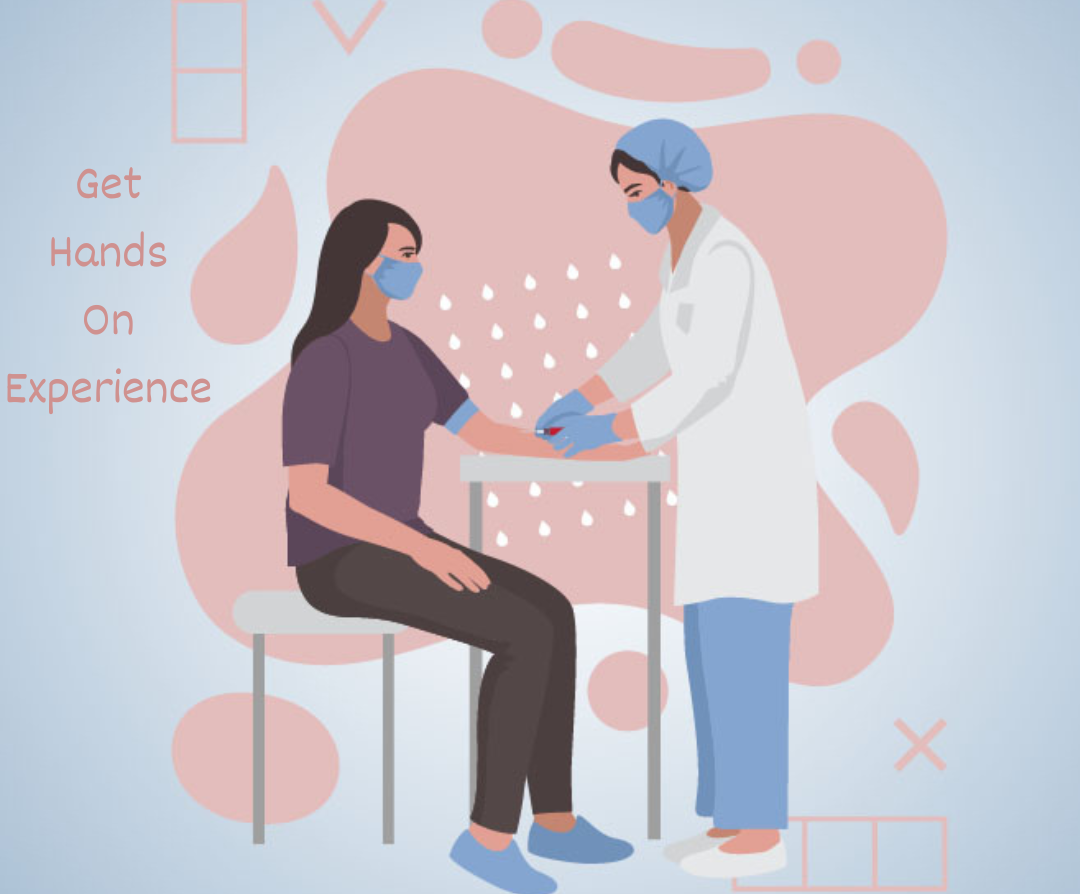
Practical experience will be most valuable. Some activities to engage in are:
Volunteer in a care home or hospital – Most health care centers have volunteer programs.
Shadow a health care worker – Seeing doctors, nurses, or caregivers in action can be enlightening.
Take a part-time job – Working as a caregiver, home health aide, or receptionist can be a way in the door to the profession.
Network with health care professionals – Join LinkedIn, participate in career fairs, or become a member of professional associations to discover openings.
5. Tailor Your CV and Cover Letter
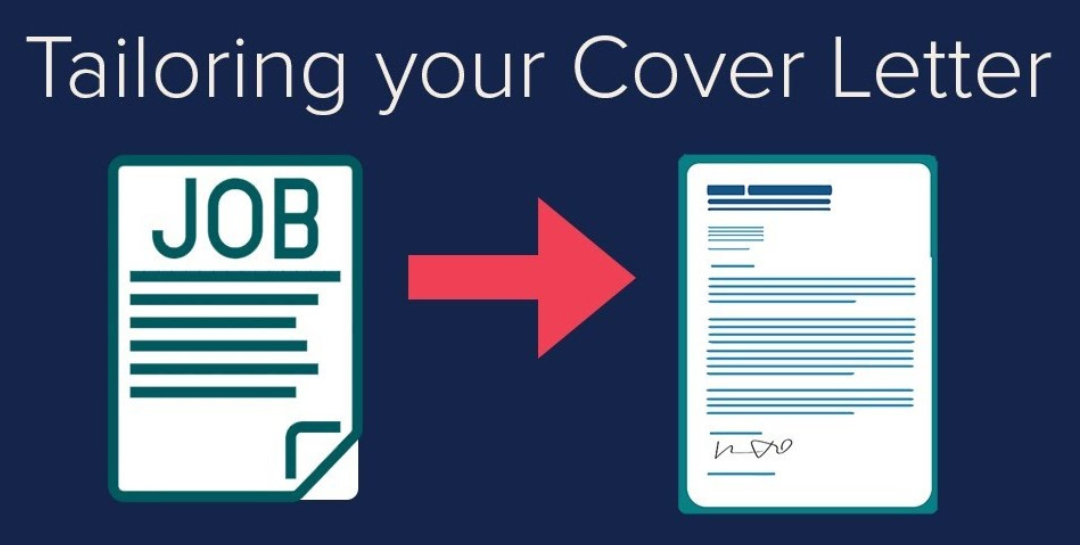
Once you’ve identified a role and gained some skills or experience, it’s time to create a strong CV. Here’s what to include:
Personal Statement – A short introduction about your passion for healthcare and why you’re making the switch.
Skills Section – List relevant and transferable skills like communication, teamwork, and problem-solving.
Experience – Even if it’s unpaid, include any volunteering, shadowing, or training you’ve completed.
Professional Format – Concise, concise, and ideally not more than two pages.
A well-structured CV can be the determining factor in being invited for an interview.
6. Start Applying and Stay Motivated
CV done, start applying! This is where to look:
Job sites – Sites like NHS Jobs (UK), Indeed, and LinkedIn offer a range of health care jobs.
Company sites – Hospitals, clinics, and care homes post vacancies on their sites.
Recruitment agencies – Recruitment firms handling health care jobs can get you a good job.
If you are not immediately hired, do not give up. The health profession is cutthroat, but perseverance sees you through. Continue applying, improve your credentials, and network with professionals in the industry.
Final Thoughts
A career switch into a health career with little or no experience is achievable if you do it the right way. Pick an area of interest, get a little training, use your current skill set, and get some on-the-job experience. All health professionals had to begin at some point—you’ll be fine with your drive and desire to learn.
Step one? Begin looking for training programs and job openings now!