
Selecting your foot in the door in the health career may sound discouraging, especially when most jobs seem to require prior experience. Don’t be afraid—there are so many opportunities you can take to build skills, fill out your resume, and put yourself on employers’ radars even if you’re just starting. This is where you can start to earn experience right away.
1. Volunteer Your Time in a Health Environment
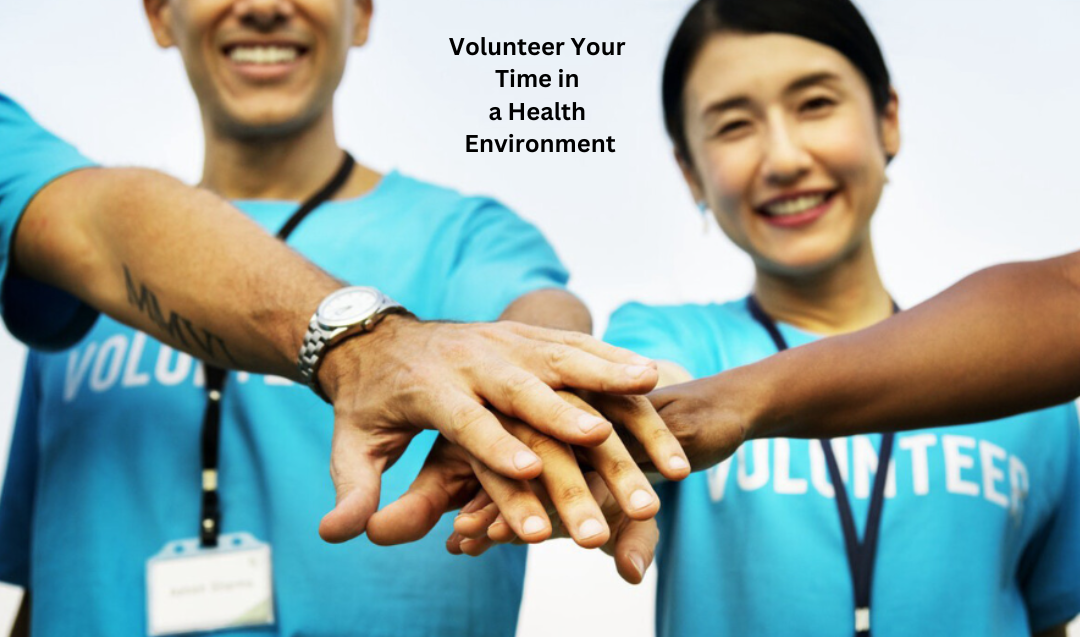
Volunteering is one of the best methods of getting direct experience. Hospitals, nursing homes, and clinics all value an extra set of hands, even if you’re not a medical person yet. You can assist with patient care, feed patients, or work at the front desk. These jobs might not be clinical, but they are still getting valuable experience in the healthcare environment and learning important skills like communication and teamwork.
Where You Can Volunteer:
Hospitals
Nursing homes or assisted living facilities
Community health centers
Nonprofit agencies such as the Red Cross
2. Become Certified in Healthcare Fundamentals
Getting entry-level certification is a great signal to employers that you’re serious about working in healthcare. Many of these certifications aren’t experience-requiring, and they might make you eligible for an entry-level role.
Useful Certifications to Take
CPR & First Aid – Taught by organizations like the American Heart Association and Red Cross.
Certified Nursing Assistant (CNA) – A hands-on role with direct patient contact.
Phlebotomy Certification – Train to draw blood, a skill used in many healthcare roles.
Medical Assistant Certification – Entails both clinical and administrative processes within a healthcare setting.
3. Get Internships or Shadow a Professional
Internships and job shadowing give you an insider’s look at healthcare careers. Some hospitals and clinics have structured internship programs, while others allow you to shadow a technician, nurse, or doctor for a day or two.
How to Search for These Opportunities:
Call hospitals and clinics in your area for internship programs.
Ask your school or training program if they have healthcare affiliations.
Reach out to healthcare professionals and ask if you can shadow them for a day.
4. Start with a Non-Clinical Healthcare Position
If you’re unable to find a direct patient-care role yet, look for a non-clinical healthcare role. Medical administration, patient transport, or medical records roles can still be valuable experience and help you network within the profession.
Entry-Level Roles to Consider:
Medical receptionist
Patient transporter
Medical scribe
Pharmacy technician
5. Pursue Online Certificates and Workshops
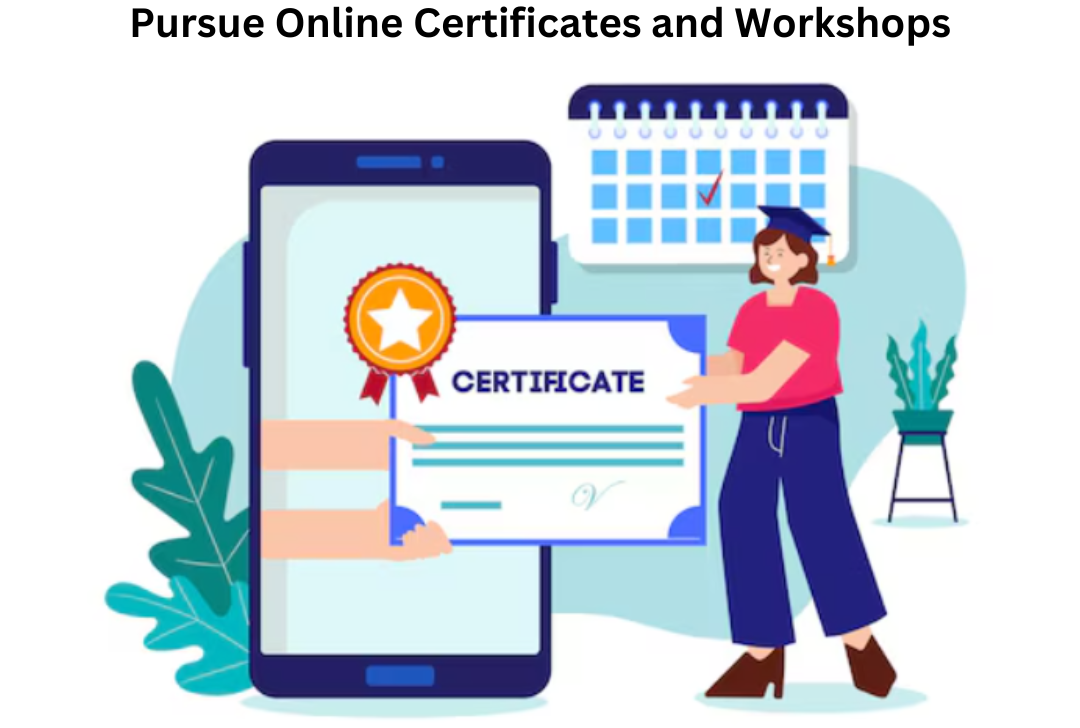
Learning through online courses is one of the efficient means of refining your comprehension as well as developing your CV. Free or economical healthcare courses may be accessed using various websites, which will endow you with a competitive advantage.
Ideal Topic Areas to Pursue:
Terminologies related to medicine
Patient care principles
Electronic health record systems (EHR) systems
Infection and hygiene control
6. Networking with Healthcare Practitioners
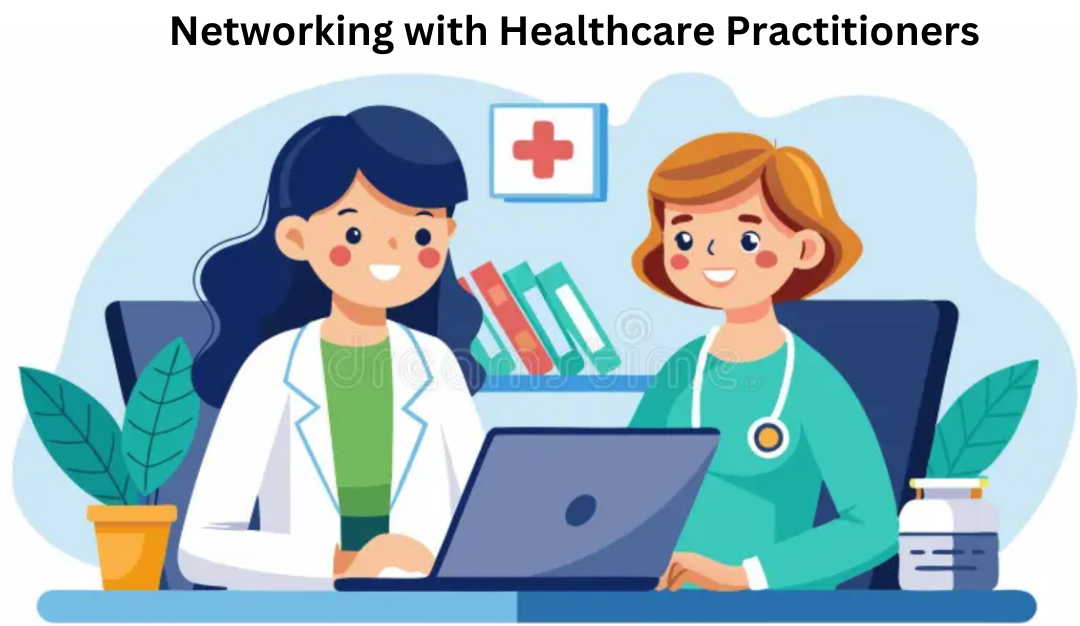
Other times, securing a job depends on knowing somebody. Building connections in the career can help to find job openings, mentorship, and all-important career advice.
How to Build Your Network:
Attend healthcare job fairs and networking receptions.
Join healthcare-specific groups on LinkedIn or Facebook.
Contact previous classmates or instructors for work referrals.
7. Look for Temporary or Part-Time Jobs
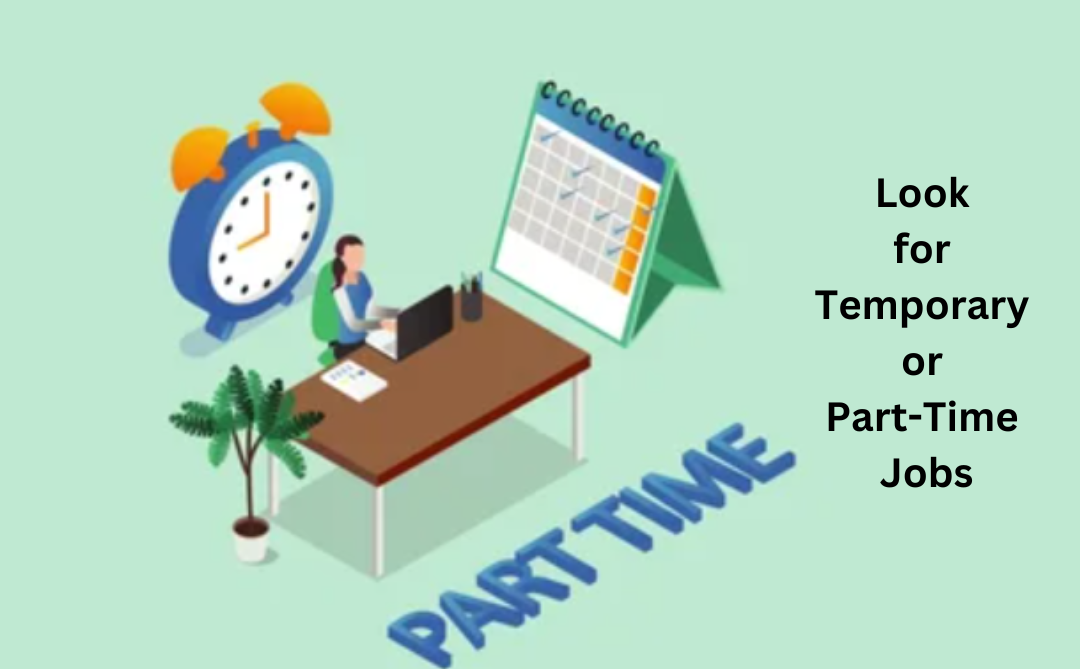
Most health units need part-time or temporary personnel to help out with patient care or work in the administrative department. Short-term work can help you gain experience and lead to other opportunities.
Choices to Consider:
Short-term work with home healthcare staffing agencies
Night work or weekend shifts
Contract work in home healthcare
Thoughts to Keep in Mind
Breaking into the healthcare field may seem tough at first, but with the right approach, you can gain the experience you need. Whether it’s volunteering, earning certifications, networking, or taking an entry-level job, every step you take brings you closer to your first healthcare role. Stay persistent, keep learning, and soon enough, you’ll be on your way to a rewarding career in healthcare!