
Alzheimer’s disease is the most common form of dementia and currently affects millions of individuals across the globe. Alzheimer’s is a chronic condition of the brain that eventually damages memory, thinking, and behavior. It occurs mostly in older citizens, but early Alzheimer’s has been discovered to affect individuals as young as their 40s and 50s. While no treatment has been discovered, learning about the disease can be used to help ensure early detection and better treatment.
1. What is Alzheimer’s Disease?
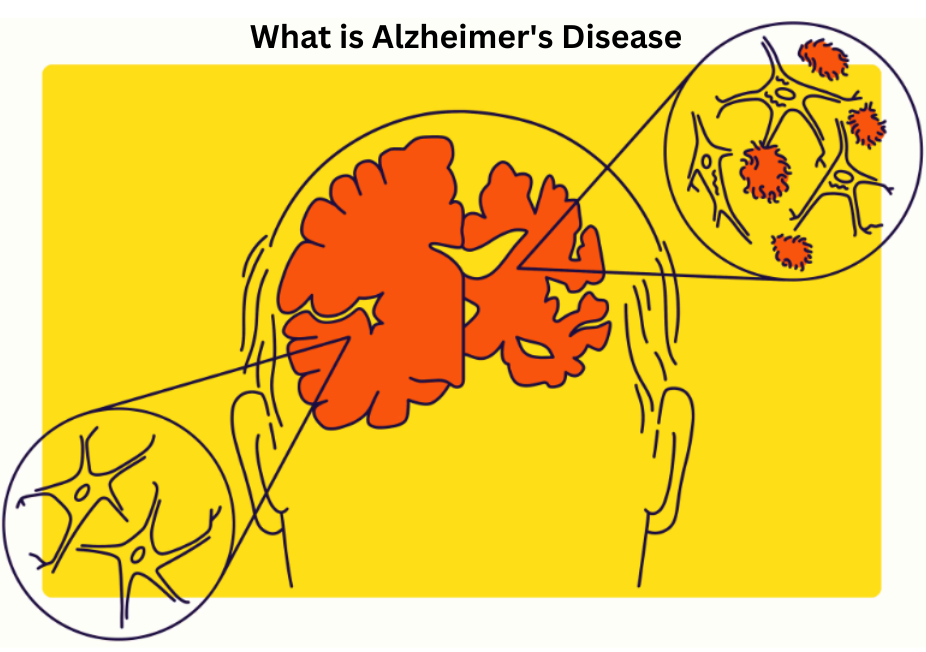
Alzheimer’s occurs when abnormal protein clumps (amyloid plaques and tau tangles) build up in the brain and interfere with nerve cell communication. This leads to brain cells progressively being damaged, memory loss, confusion, and difficulty with everyday activities.
Signs and Symptoms
Symptoms slowly start and increase with time:
Early Signs:
Forgetting names, dates, or events
Difficulty in finding the right words
Forgetting places and getting lost when driving
Mid-Stage Symptoms:
Increased forgetfulness and confusion
Trouble remembering loved ones
Mood changes and personality shifts
Late-State Symptoms:
Trouble speaking or reacting to the environment
Difficulty eating, walking, and coordinating movement
Constant care needed, 24/7
2. What Causes Alzheimer’s Disease?
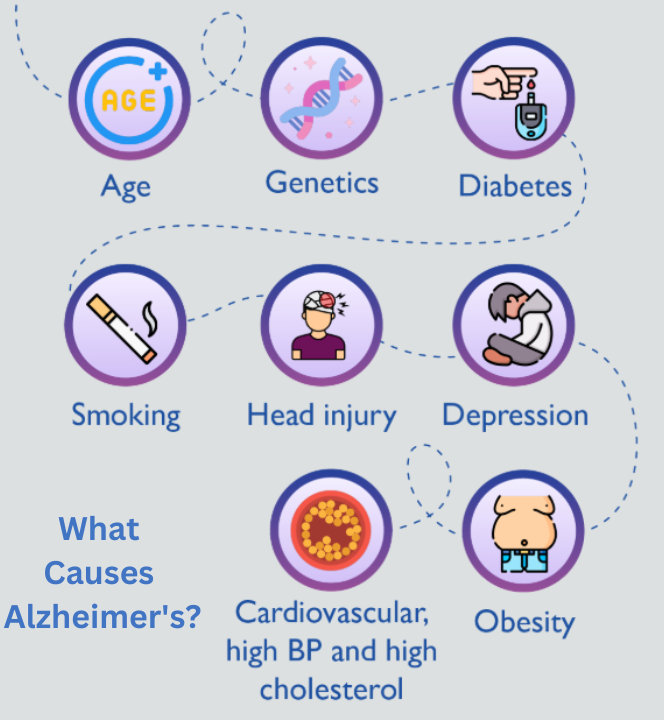
Scientists do not know what causes Alzheimer’s, but the following can increase the risk:
Age – Most develop after age 65.
Genetics – Risk is increased with a family history of Alzheimer’s.
Heart Health – Increased risks for high blood pressure, obesity, and diabetes.
Head Injuries – A history of a severe head injury can increase risk.
3. How Alzheimer’s Disease is Diagnosed?
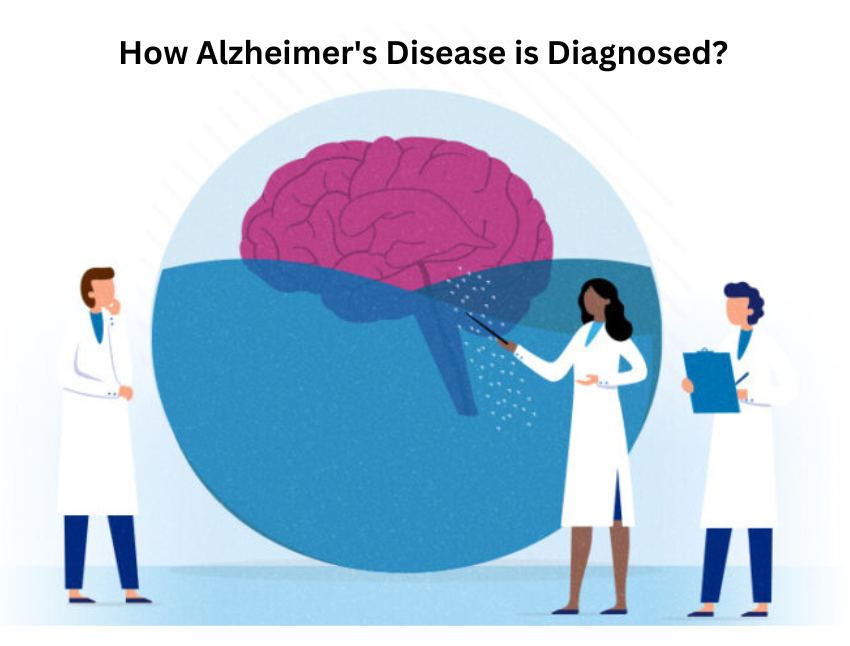
Physicians normally diagnose Alzheimer’s by undergoing a battery of tests of memory, brain imaging (such as MRIs), and history. One can also make an early diagnosis in the expectation of getting ready for sufficient treatment and use of drugs that can place the progression of the symptoms on a slower trajectory.
4. Treatment of Alzheimer’s
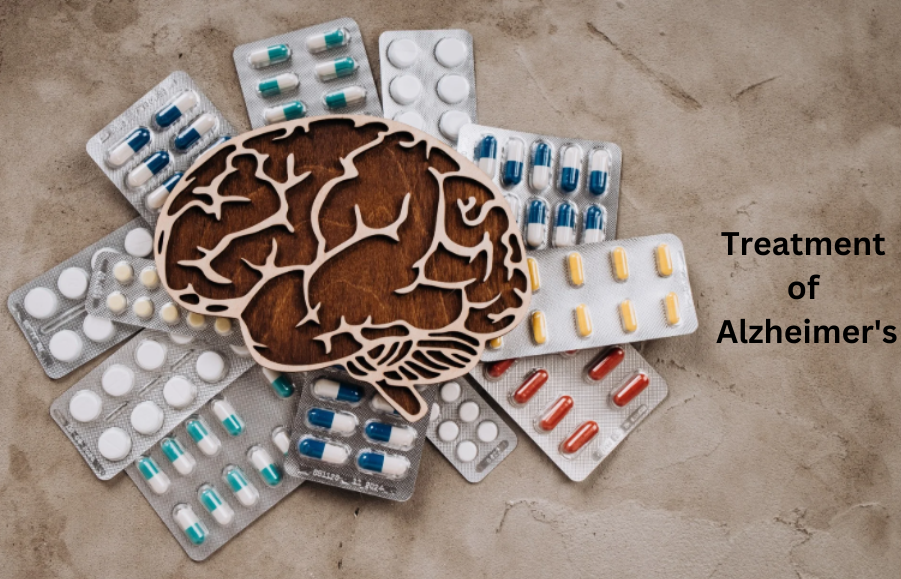
It is not curable, but medication can stabilize symptoms:
Drugs – Donepezil and Memantine will help by keeping thinking and remembering.
Lifestyle Changes – Exercise and mental stimulation retard the disease.
Daily Routine and Caregiver Support – Emotional support of caregivers and a daily routine are very helpful.
5. Caring for Someone with Alzheimer’s
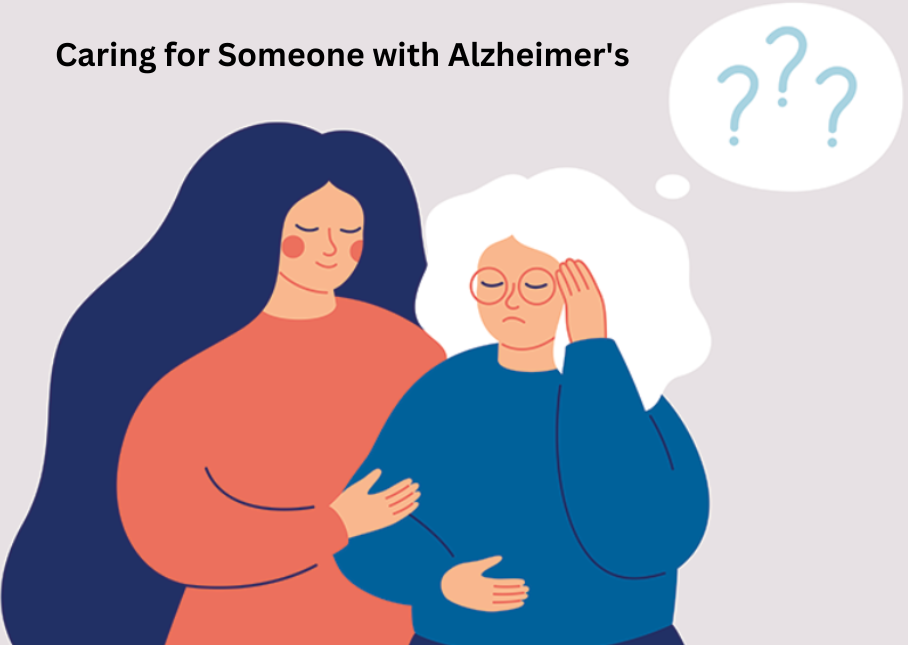
Caring for an individual with Alzheimer’s can be challenging but rewarding. Some suggestions are given below:
Take on a daily routine to reduce confusion.
Use visual reminders and cues for activities of daily living.
Be patient and avoid correcting and arguing.
Take care of yourself, too—caregiver burnout is a reality.
Current Research and Hope
Scientists still actively searching for better treatments and, hopefully, a cure. Clinical trials are underway to evaluate new drugs and therapies to overcome the disease and improve quality of life.
Final Words
Alzheimer’s is hard for both the caregiver and the patient, but once you know it’s there, it’s that much easier. Treating early, taking care, and getting counseling can curb symptoms and help you live a better life. Don’t delay if you do notice any of these warning signs—treatment and support are available.