
In today’s competitive health career market, a well-written CV can be the ticket to job prospects—either with the NHS, private hospitals, or care homes. For nurses and care staff, your CV is not just a series of duties; it’s your professional history, and it must convey to recruiters why you are the most suitable person to join their team.
Whether you’re in the UK or intending to apply from abroad, these are the best CV tips that will get you noticed in the healthcare field.
1. Begin with a Strong Personal Statement
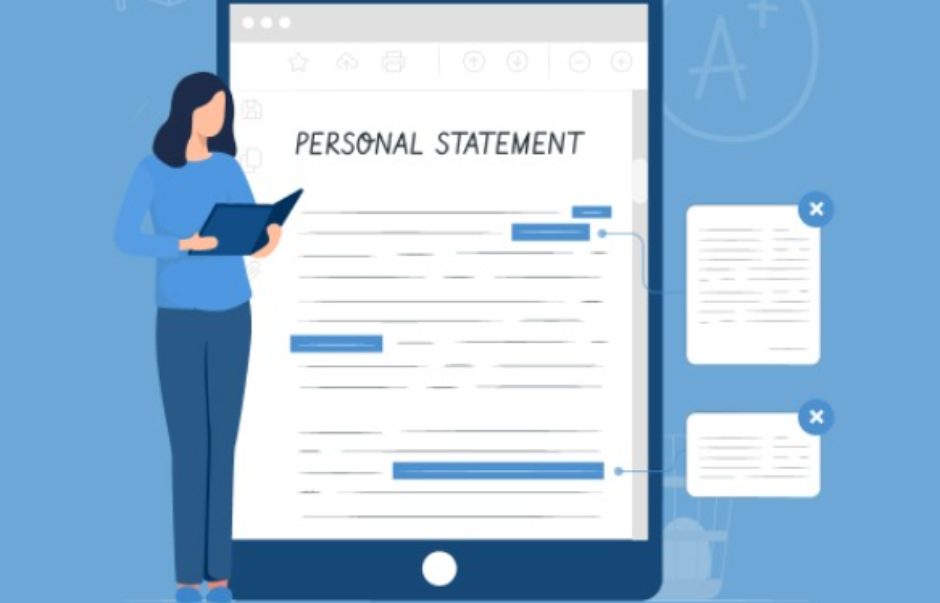
Your statement is your elevator pitch. In a couple of sentences, give us your name, your key strengths, and what you are seeking. Emphasise experience, empathy, and dedication to patient care.
Example:
“Compassionate and professional healthcare assistant with more than 5 years of work experience working in residential care homes and hospitals. Committed to providing person-centred care and maintaining patients’ dignity and autonomy.”
2. Emphasise Key Qualifications at the Beginning

State your most appropriate qualifications at the beginning of your CV. These may be:
• NVQ Level 2 or 3 Health and Social Care
• Nursing degree or diploma
• IELTS/OET (for international applicants)
• NMC registration (for nurses)
Use bullet points and the institution name and completion dates.
3. Highlight Key Skills and Competencies

Make your strengths shine with a dedicated “Skills” section. In healthcare employment, needed skills may be:
• Personal hygiene and care
• Medication
• Safeguarding knowledge
• Manual handling
• Empathy and communication
• Infection control
Keep this section job description-specific.
4. Describe Your Work Experience – But briefly

Work should be in reverse chronological order with:
• Job title
• Employer name
• Dates of employment
• Main duties and achievements
Put facts and results first—i.e., “Assisted 10+ residents a day with personal care, enhanced mobility outcome by 30%.”
5. Add UK Experience (If You Have One)
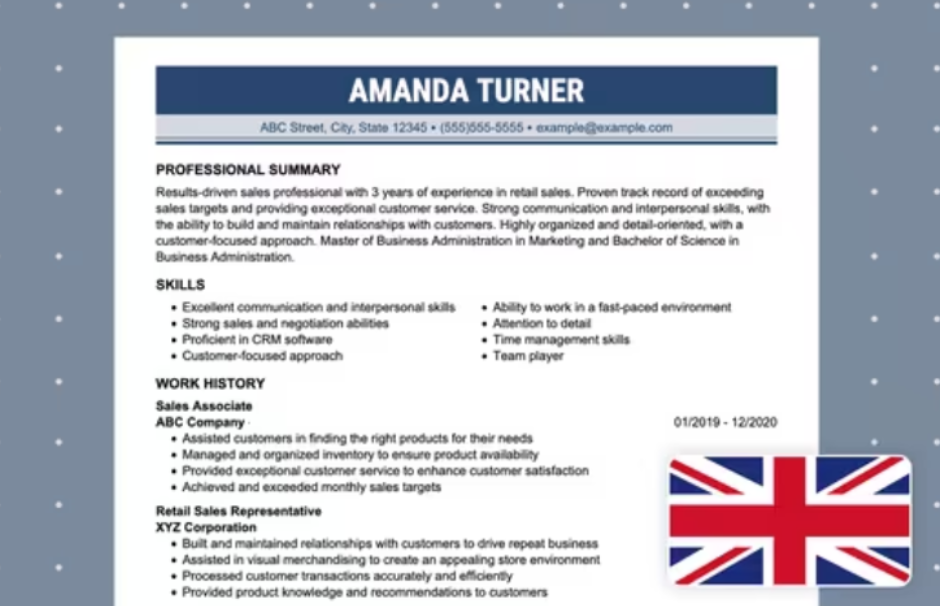
Emphasise if you have UK experience. UK employers place importance on in-house experience because of knowing the NHS or CQC-regulated environments.
Tip: Don’t forget to mention any UK-equivalent standards or comparable healthcare systems that you have worked within as an international applicant.
6. Easy to Read, Clear, and Error-Free
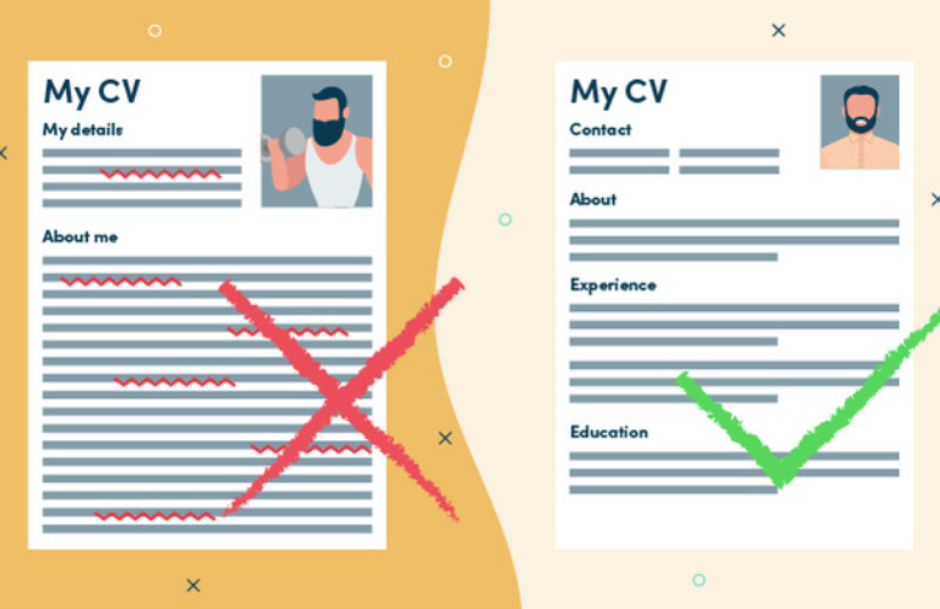
Presentation matters. Utilize:
• A straightforward layout (no images or fancy fonts)
• Short bullet points
• 2 pages or fewer
• UK English spelling
Proofread for grammar or formatting mistakes—have a friend do it or use a grammar tool.
7. Include Relevant Training, References & Availability

Training courses such as “Basic Life Support,” “Moving and Handling,” or “First Aid” can be placed under “Additional Training.”
You can also put:
• Notice period or availability
• Willingness to move (if appropriate)
• “References available upon request”
Final Thought
A good CV isn’t box-ticking—it shouts your story loudly and proudly. In an industry where empathy, ability, and dependability are the most important things, ensure your CV shows those things.
If you’re working through a healthcare recruitment agency such as Continental Recruitment, a solid CV will secure you your next shift—or that perfect NHS role.