
For all of us, 50 years is a lifetime. For one remarkable nurse, it has been a lifetime of passion, determination, and change—backed up against the pattern of a transforming NHS.
Spanning five decades, this nurse’s career is more than an individual achievement. It is a testament to the development of the healthcare industry in the UK, from glass thermometers and hand-written charts to robotic surgery and electronic patient records. It is a touching reminder of how much we’ve progressed—and of how nurses have been at the heart of it all.
The Early Days: Starched Whites and Ward Sisters
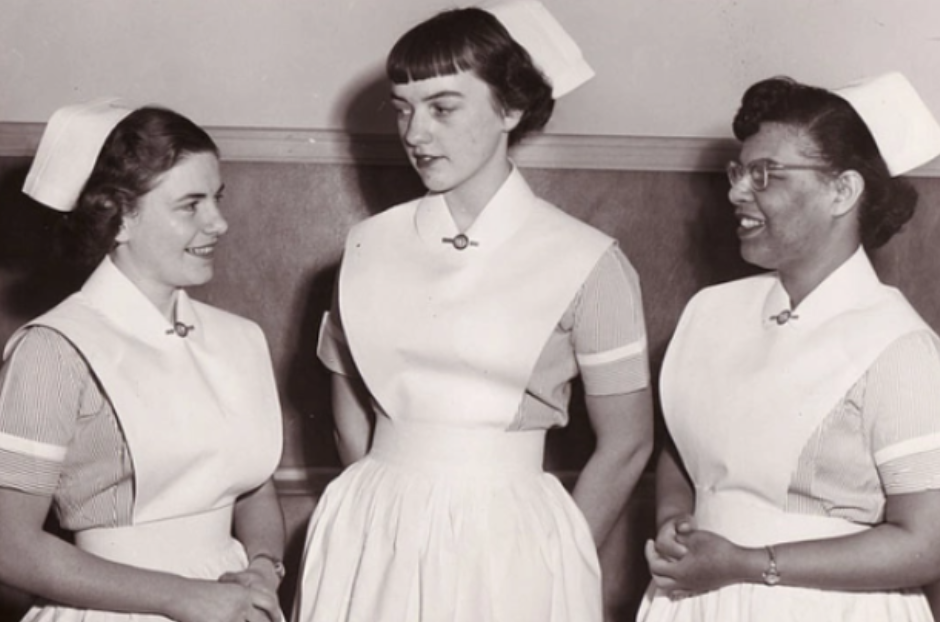
When our nurse began her profession in the 1970s, nursing was a formal, hierarchical profession. Uniforms were starched, matrons ruled the wards, and new nurses learned through observing and doing as they were told. Most of it was hard work and physically and emotionally testing—toil with patients in hand, managing vast wards and tiny staffs, and tending complex needs with limited resources.
But some of the work was also respected. Nurses were community pillars who did not just deliver medical care but also kindness and continuity.
“We didn’t have a lot, but we managed. It was all about people,” she recalls.
The 80s and 90s: Medicine Gets Better, But So Do Challenges
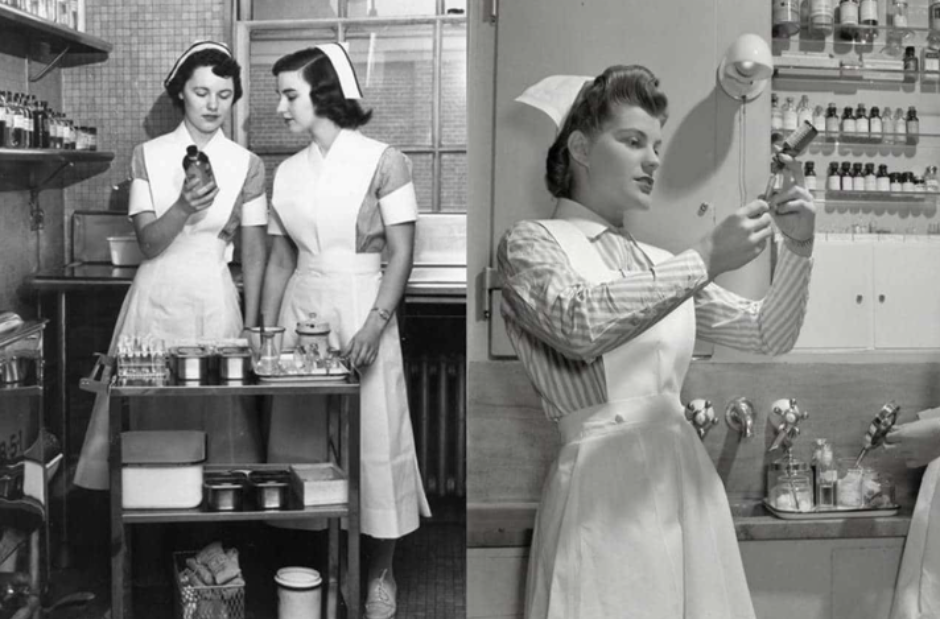
The 1980s and 1990s were years of phenomenal change in the treatment of medicine, marked by the introduction of new technology, the development of better medicines, and better patient outcomes. But with the betterment came stress. Nurses were facing more paperwork, more rules, and more patient expectations.
Our nurse adjusted to it, learning to live with innovations such as IV pumps, ECG machines, and enhanced infection control practices. She also witnessed the advent of care in the community and decreasing stay in hospital, transforming the role of the nurse from ward to beyond the ward.
Education also changed—from hospital-based apprenticeships to university degrees. Nursing was at last receiving the recognition that it had long been worthy of as a skilled, professional discipline.
The 21st Century: Digital Healthcare and Emotional Demands
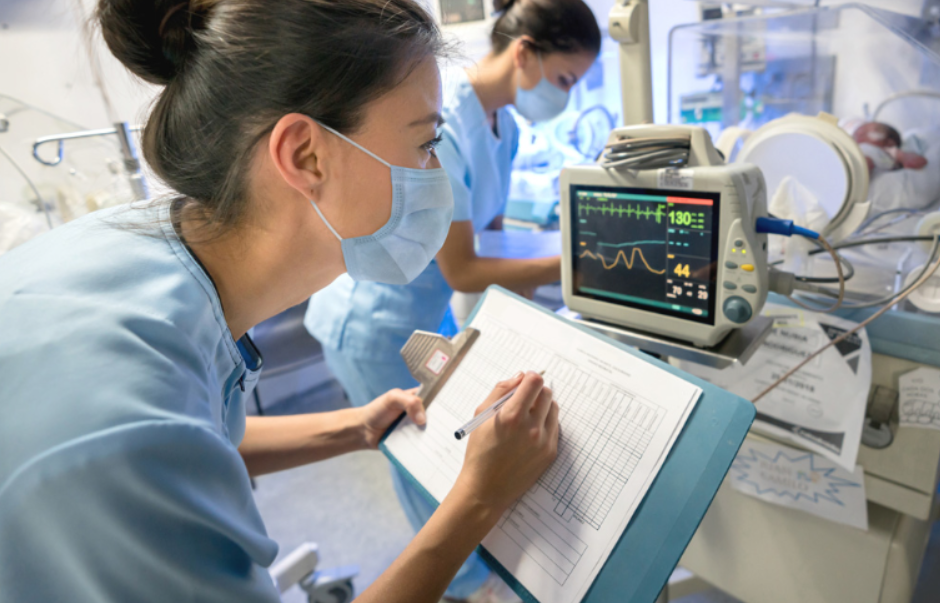
The new millennium brought with it an age of revolution. Electronic records, internet consultations, and multi-disciplinary teams dominated the agenda. Nurses were required to reconcile technology with hands-on care, data entry with deep empathy.
Throughout, our nurse remained a steady presence. She was a mentor to successive generations—offering advice, wisdom, and a calming voice amidst the din. She also weathered great public health crises, from SARS to the COVID-19 pandemic, meeting each challenge with unwavering commitment.
“COVID was one of the toughest chapters. But it reminded us why we do what we do. The human connection matters more than ever.”
A Legacy of Compassion and Change
Retiring now after 50 years, this nurse looks back on a career full of purpose, growth, and impact. She’s watched nursing go from the back burner to the front burner—from being “just the nurse” to being a driving decision-maker, champion, and teacher.
Her story is not just hers—it’s a tribute to all the nurses who have sacrificed their lives in service. It’s about change without losing faith, preserving humanity through accepting science, and reminding us that in every health system’s centre, there is a hearing nurse, consoling and healing.
Closing Remarks
In an ever-evolving NHS, one constant remains: the power of a nurse’s presence. This half-century heritage reminds us that medicine can change, but compassion cannot. And behind every innovation, there stands a nurse who adapted, who made a difference, and who made a difference.
To 50 years of care—and the thousands more in the making, day after day.