
Alzheimer’s is the most prevalent form of dementia, which affects millions of individuals and families throughout the UK. Even though there is no certain way to avoid it, NHS professionals and physicians all agree that there are positive things that we can all do to decrease our chances. The good news? These simple, attainable adjustments can add up and have a huge impact in the long run.
Here are four easy, NHS-recommended things to give brain function a lift and possibly reduce your risk of Alzheimer’s:
1. Keep Your Heart Healthy
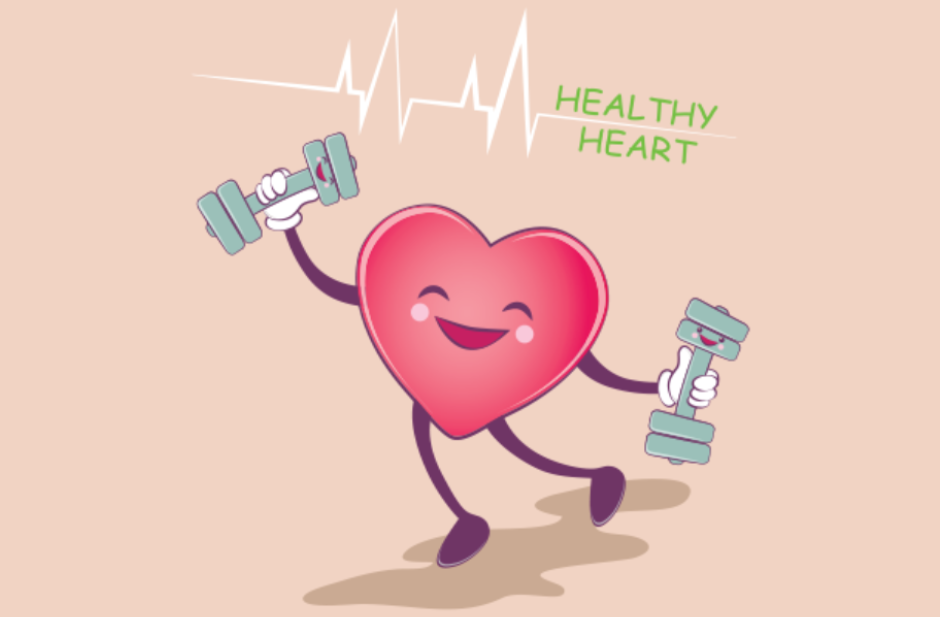
It’s a well-worn phrase NHS doctors use to say: what’s good for the heart is good for the brain. Risk factors for Alzheimer’s include high blood pressure, high cholesterol, and diabetes, all of which have to do with the health of your heart.
How to help
Eat a well-balanced diet, rich in whole grains, fruits, vegetables, and good fats.
Take regular exercise – a brisk walk of 30 minutes, five days a week, is a good beginning.
Don’t smoke and drink sensibly.
Protecting your heart also helps supply blood to the brain, and that keeps the brain sharp.
2. Stay Mentally Active
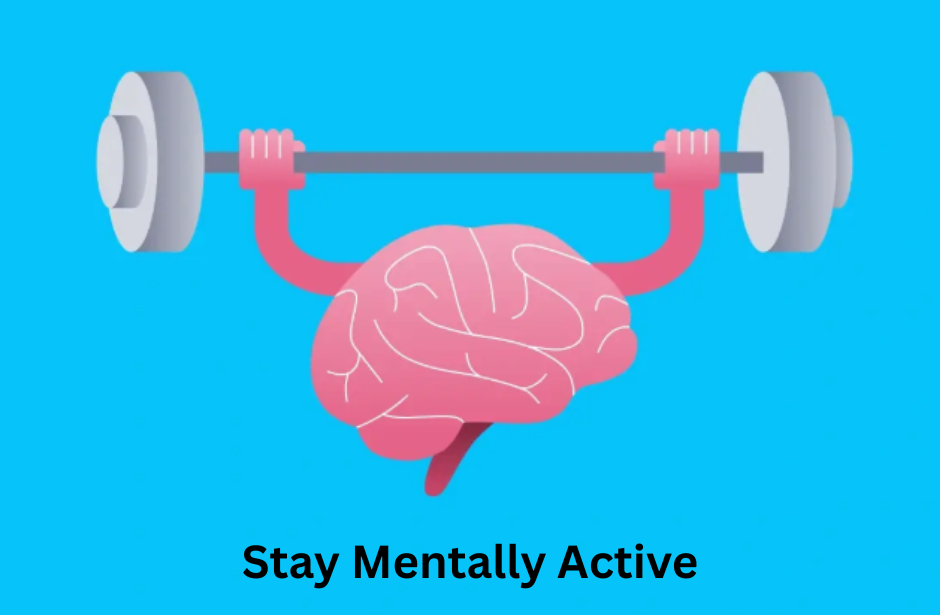
Challenging your brain can create cognitive reserves – essentially, keeping your brain fit as you get older. A physician at the NHS may suggest anything from reading to acquiring a new language or skill.
Brain-strengthening, easy tips:
Do crosswords, puzzles, or strategy games.
Learn a new skill, such as painting or gardening.
Join a book club or discussion group.
Mental exercise needn’t be a brain teaser – it’s having your curiosity piqued and stretched.
3. Remain Socially Connected

Social isolation has been associated with dementia. NHS health workers frequently recommend remaining in contact with friends, family, and the community as a general protective factor against developing Alzheimer’s.
Easy ways to remain in contact:
Make regular arrangements to meet friends and family.
Join your local club or a volunteering programme.
Keep in contact through video calls or messaging services, particularly if you’re away from family and friends.
Companionship and good conversation can wake up your brain and put a smile on your face.
4. Take care of your mental health
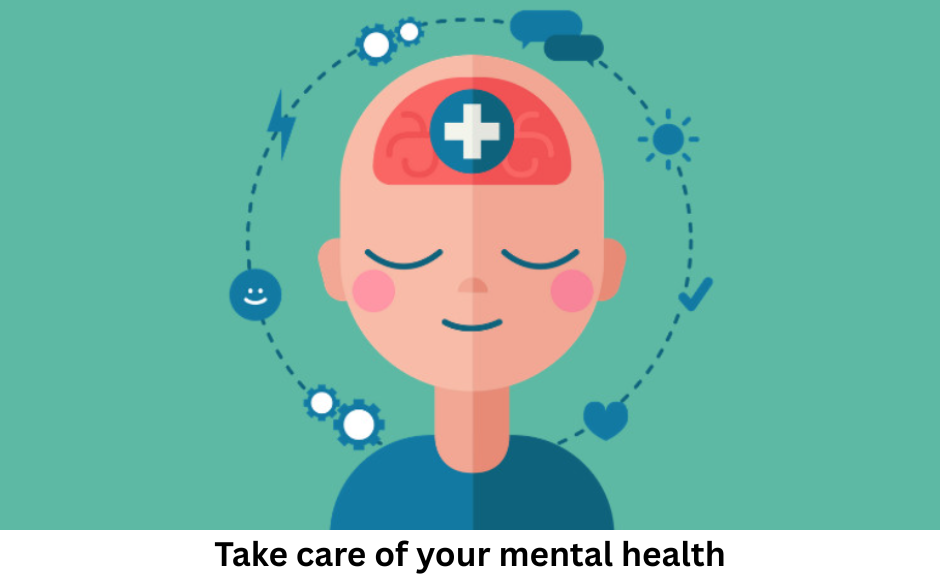
Untreated depression and ongoing stress have both been linked to increased Alzheimer’s risk. The NHS tip is straightforward: don’t neglect your mental health.
What you can do:
Mindfulness or meditation.
Speak to your GP if you’re constantly low or anxious.
Rest, sleep well, and get plenty of sleep – try for 7–9 hours a night.
A rested, calm brain has room to think more clearly and get things into perspective.
Final Thoughts:
While no lifestyle change can completely prevent Alzheimer’s, NHS doctors agree that healthy habits can lower your risk. By focusing on heart health, staying mentally and socially active, and taking care of your mental wellbeing, you’re giving your brain the best chance to age gracefully.
And remember, it’s never too early – or too late – to start.