
In our modern digital age, LinkedIn is no longer just for businesspeople. It’s now one of the most influential instruments for healthcare professionals looking to find their next role. Whether you’re an administrator, radiographer, care worker, or nurse, LinkedIn can enable you to demonstrate what you can do, network with agencies, and see jobs you’ll never see on job boards otherwise.
Here’s how to harness LinkedIn in the healthcare job market.
1. Optimize Your Profile (Your Digital CV)
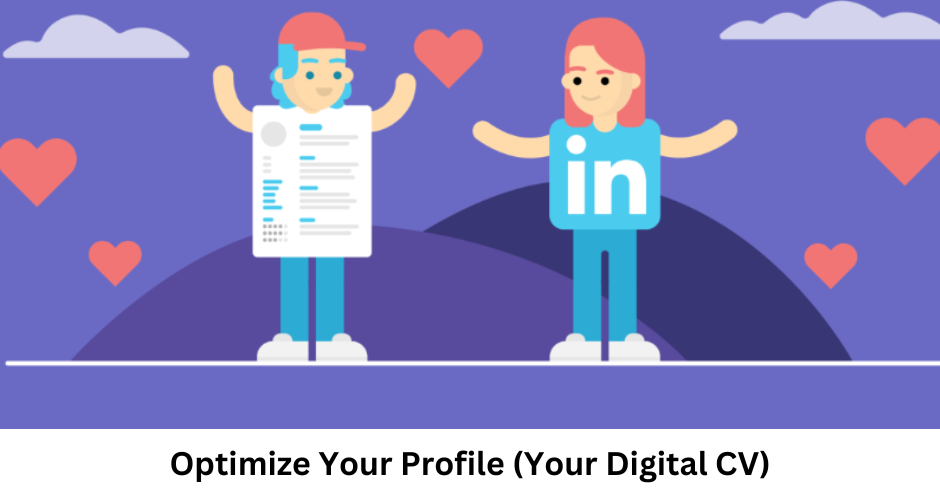
Think of your LinkedIn profile as your online CV—but more dynamic.
What to focus on:
Profile Picture: Use a clear, professional headshot. First impressions matter!
Headline: Include your current role or what you’re looking for. Example: “Registered Nurse | Passionate about patient-centered care”
About Section: Write a short, friendly summary. Share your experience, specialties, and what kind of role you’re looking for.
Experience & Skills: Enumerate all applicable roles, responsibilities, and accomplishments. Include industry-specific skills such as “Medication Administration” or “Care Planning.”
Pro Tip: Incorporate keywords that healthcare recruiters look for, such as “HCPC registered,” “NMC,” “clinical support,” or “healthcare assistant.”
2. Turn On “Open to Work”
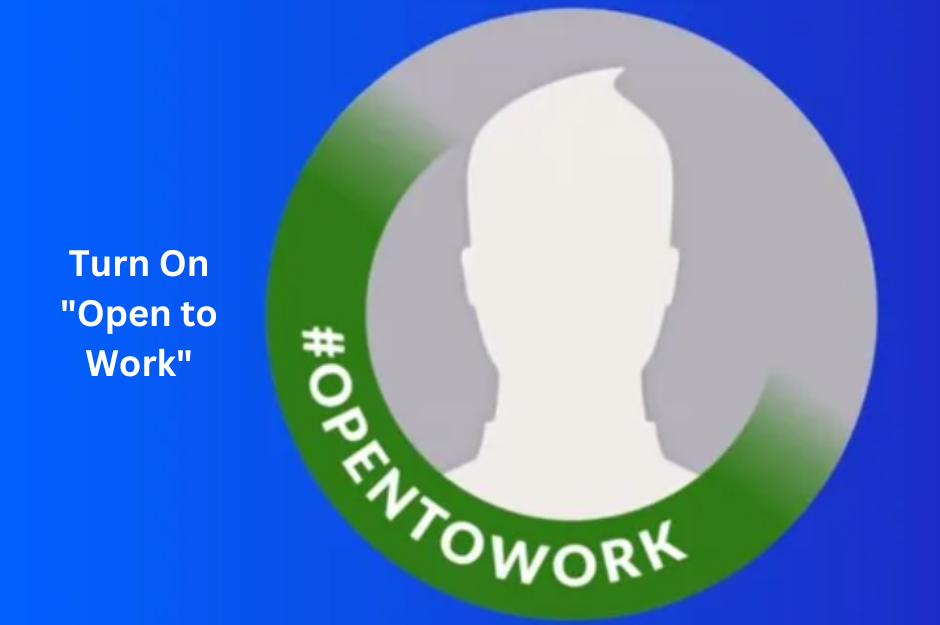
LinkedIn allows you to quietly indicate to recruiters that you’re open to new opportunities. Simply visit your profile, tap “Open to Work,” and enter your preferences.
You can decide to share this with recruiters alone or make it visible to everyone (which adds a green border to your profile picture).
3. Network with the Right People
The greater the job-related connections you have, the better your chances are of seeing job listings.
Start with connecting to:
– Healthcare recruiters and recruitment agencies
– Former colleagues or classmates
– HR professionals in hospitals or care homes
– Industry groups and associations
Don’t be shy—a brief message like “Hi, I’m looking into new healthcare opportunities and would love to connect” is just fine.
4. Engage and Stay Active
LinkedIn favors engaged users. Comment, like, or share healthcare-related posts. Participate in discussions within your field.
You can also put your updates, such as:
– Posting a recent certification
– Talking about a new skill you’re acquiring
– Declaring yourself open to new opportunities
This keeps you in the spotlight with your network (and recruiters browsing LinkedIn feeds).
5. Follow Healthcare Employers You’d Like to Work With
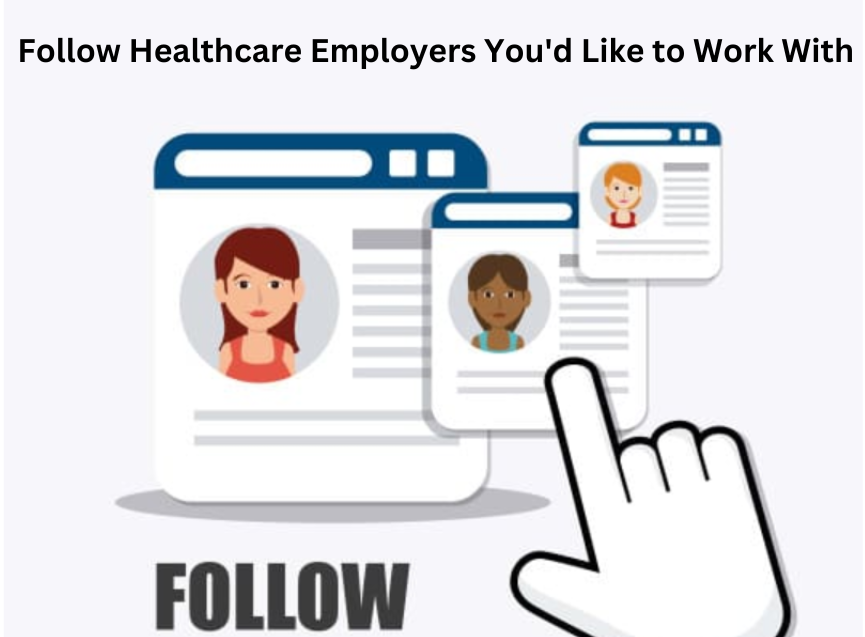
Monitor job vacancies by tracking healthcare employers such as NHS trusts, care homes, private clinics, and recruitment agencies.
Companies sometimes advertise jobs directly on their LinkedIn pages before they are listed on job boards.
6. Utilize the Job Search Tool
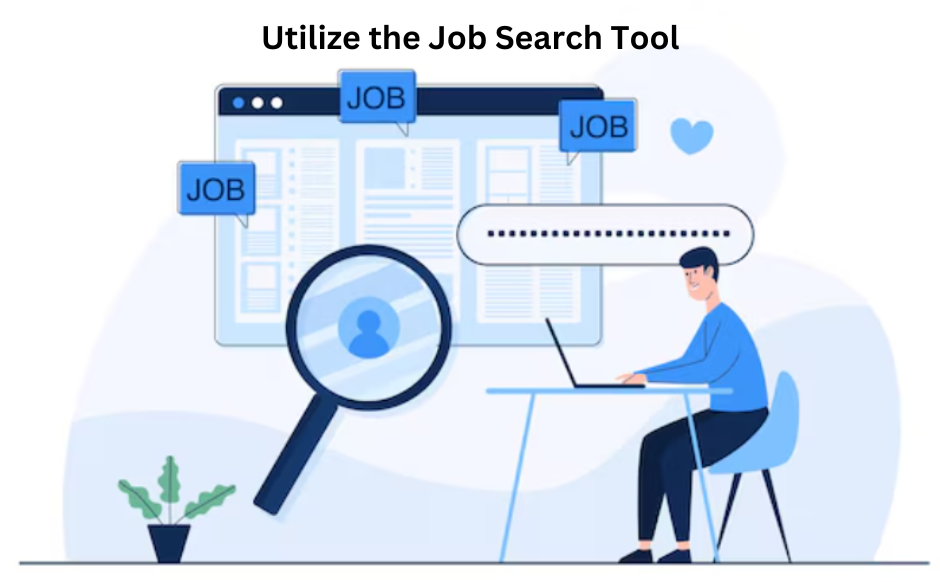
LinkedIn’s job board is packed with health care vacancies. Refine your search by using:
– Location
– Level of experience
– Remote/in-office
– Type of job (full-time, part-time, contract)
Save your most liked searches so LinkedIn will automatically notify you when new jobs are posted.
7. Request Recommendations
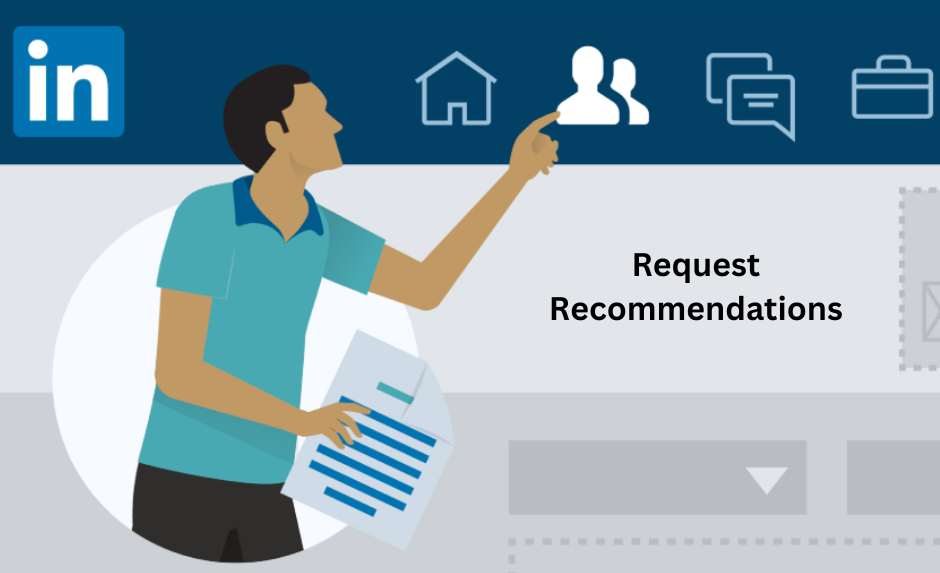
Social proof is money. Have your manager or co-worker recommend you on LinkedIn—it adds credibility and makes recruiters trust your experience.
Final Thoughts
LinkedIn is more than just a networking site—it’s a powerful job-hunting tool, especially in a competitive industry like healthcare. With a polished profile, active presence, and intelligent connections, you’ll increase your chances of landing your next opportunity faster.
So take 30 minutes today, update your profile, and start connecting. Your next healthcare job might be a message away.