
If you are looking to work in healthcare, education, or any occupation that deals with vulnerable individuals, there’s a good chance you’ll be required to have a DBS check. It may seem a little daunting, but it is quite simple when you know what’s required.
In this blog, we’ll guide you through what a DBS check is, how to prepare for it, and how to make it as smooth as possible.
What is a DBS Check?

A DBS (Disclosure and Barring Service) check is an employers’ background check that they use in the UK to make safer hiring decisions. It checks your criminal record to ascertain whether you are fit to work with children, vulnerable adults, or in sensitive places such as hospitals or schools.
There are varying levels of DBS checks:
Basic Check – Reveals unspent criminal convictions.
Standard Check – Includes spent and unspent convictions, cautions, reprimands, and warnings.
Enhanced Check – All of the above, plus any relevant information held by local police.
Enhanced with Barred Lists – Also checks if you’re on the list of people barred from working with children or vulnerable adults.
Step-by-Step: How to Pass a DBS Check
1. Be Honest on Your Application
Always give correct and honest information. If you have convictions or cautions, it’s advisable to make them known early. Honesty demonstrates integrity and can be to your advantage, depending on the type of offence and how long ago it happened.
2. Collect the Correct Documents
You will need some documents to prove your identity. These typically include:
A valid passport or driving license
Proof of your current address (e.g., utility bill or bank statement)
National Insurance number
Make sure your documents are current and match the details you’ve provided.
3. Understand What’s Being Checked
Knowing the level of DBS check required for your role helps set expectations. For example, a healthcare support worker role will likely need an enhanced DBS check, especially if you’re working directly with patients.
4. Clean Up Your Online Presence

Although not included in a DBS check, some employers also check your online profiles. It’s a good idea to tidy up any public information that could make you look bad.
5. Monitor Your Application
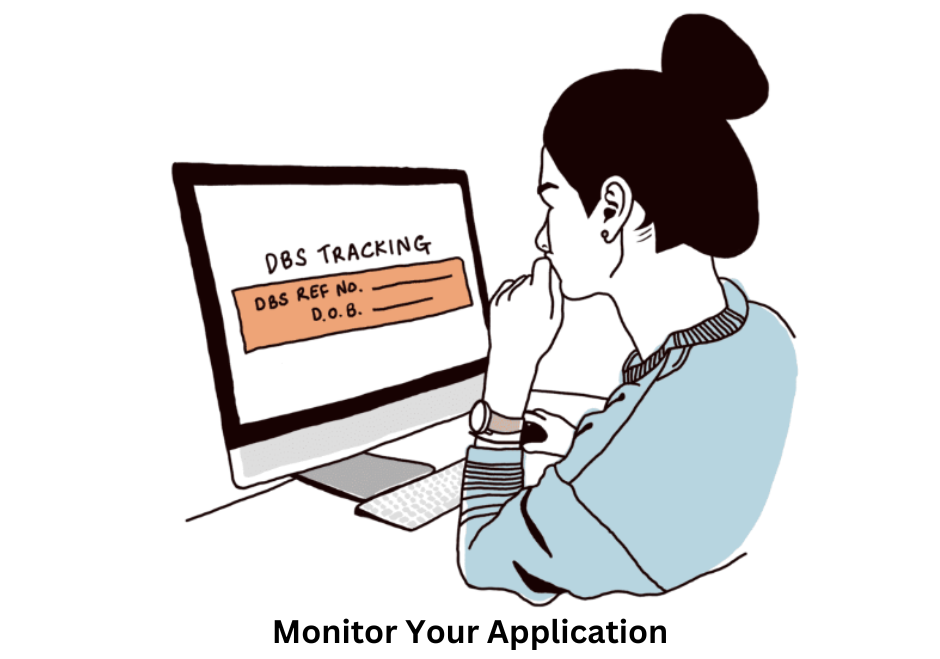
It can take a few days to a few weeks for DBS checks to be processed once submitted, depending on the level and job. If you worry about it taking too long, request an update from your employer or recruitment agency.
6. Join the DBS Update Service
If you are in a position that involves recurrent DBS checks, the DBS Update Service can save you money and time. Your certificate can be updated and shared with prospective employers for just £13 annually.
Typical Reasons for Delay (and the Ways to Steer Clear of Them)

Incomplete Forms: Carefully re-check all your details before submission.
Mismatch of Documents: Double-check your address and name to ensure consistency throughout all documents.
Local Police Checks: Certain delays occur at the local police force level. Sorry, that one is outside your control, but it shows you’ve acted promptly yourself.
Can You Fail a DBS Check?
Technically, you don’t “pass” or “fail” a DBS check. The check just reveals your criminal record (if any), and it’s the employer’s decision whether or not you’re right for the job. Breezy, old, irrelevant convictions might not be a problem, particularly in a healthcare environment where context is everything.
Final Thoughts
A DBS check is only one part of your process to gain employment in healthcare or safeguarding. Provided that you’re being honest, organized, and prepared, there’s nothing to fear. It’s there to protect both you and the people you’ll be working with.
If you’re new to applying for a healthcare job or transferring into a new position, don’t let the DBS process delay you. Do it step by step, and you’ll be set in no time.