
Remote work has transformed businesses worldwide, and healthcare is no exception. Historically a profession that involved hands-on work on location, healthcare has adopted other forms of work in the wake of technological innovation and changing patient needs. Let us explore how remote healthcare work is on the rise more than ever, the main jobs provided, and what it implies for employers and practitioners.
Why Remote Work is on the Rise in Healthcare
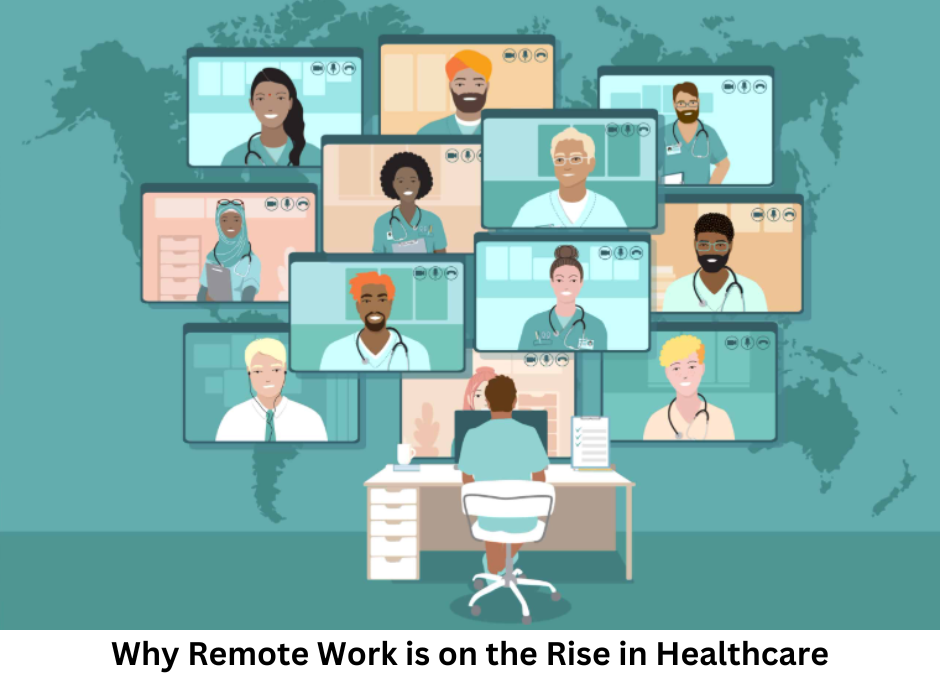
Several drivers have helped remote work grow in healthcare:
✅ Improvements in Technology
Telemedicine, health information technology, and secure communication equipment have enabled healthcare providers to work remotely. Virtual consultations, electronic prescriptions, and remote patient monitoring are prevalent in most settings.
✅ Patient Preference Shift
Patients increasingly prefer the convenience of virtual care more and more. Remote services reduce waiting times and allow people to access healthcare from home.
✅ Post-Pandemic Adaptation
The COVID-19 pandemic accelerated the shift to remote healthcare. Many changes introduced during the pandemic — such as virtual appointments — have remained because they improve efficiency and patient satisfaction.
Types of Remote Healthcare Jobs
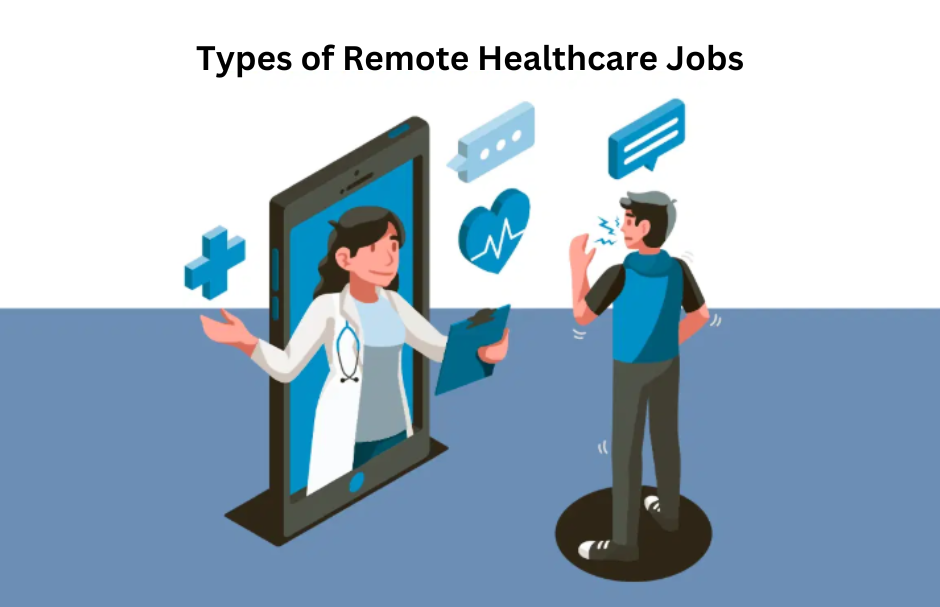
Remote healthcare work extends beyond telemedicine. Some significant roles are:
• Telehealth and Virtual Consultations – Physicians, nurses, and mental health specialists can offer patient care using video conferencing and online websites.
• Medical Billing and Coding – Coders and billers process patient records and insurance claims remotely.
• Data Analysis and Healthcare IT – Data analysts and IT specialists process patient information remotely and streamline systems.
• Case Management – Follow-up activities and treatment plans are carried out remotely by case managers through communications.
• Research Writing and Medical Writing – Authors write on behalf of health professionals, pharma companies, and health administrations.
Benefits of Home-Based Work in Healthcare
Home-based working delivers quite a broad set of benefits:
✔️ Enhanced Work-Life Balance – Flexibility of times and no commuting lead to more effective personal-professional time balancing.
✔️ Increased Possibility of Hiring – Home employment options offer easy accessibility irrespective of geographical location.
✔️ Benefit to Business – Reduced requirement of office space and machinery reduces cost.
✔️ Improved Access to Care – Telemedicine care enhances the access of care to underserved and rural population.
Holes in Remote Healthcare Work
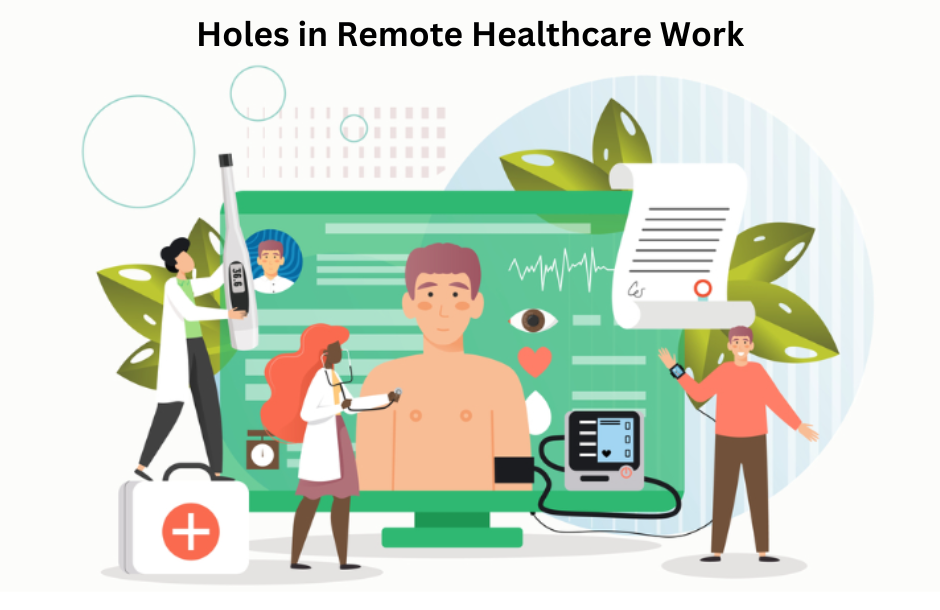
Remote work does not have gaps as well:
❌ Data Privacy and Security – Remote processing of patient data poses confidentiality and cybersecurity concerns.
❌ Patient Trust – Rapport is harder to establish through a screen than in person.
❌ Licensing and Regulation – Practice outside of one’s field may entail licensure and regulation differently.
Success with Remote Healthcare Work
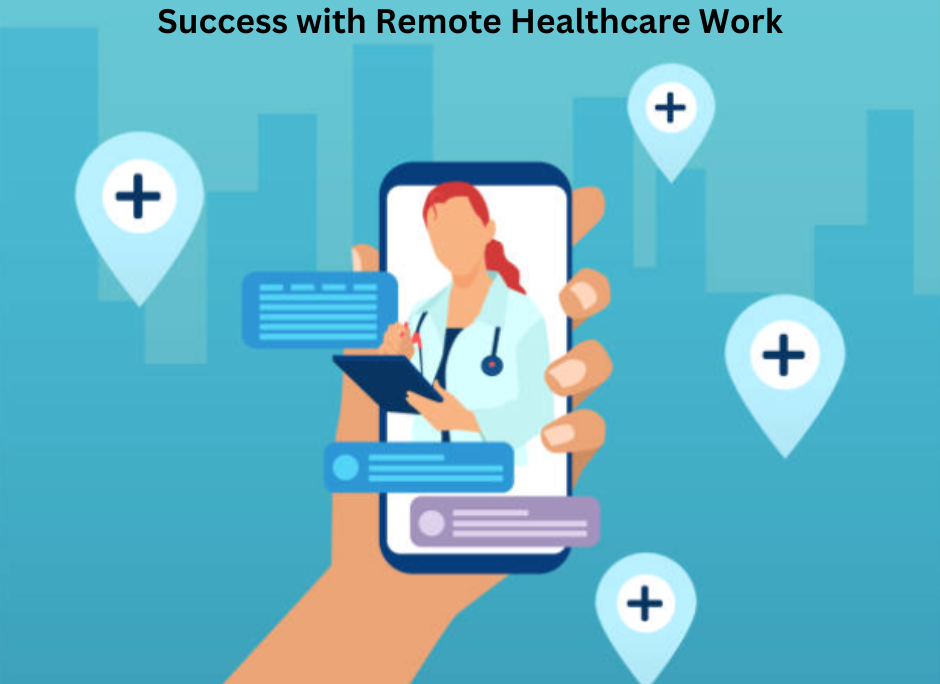
To be successful in a remote healthcare position:
• Establish a Professional Setting – Ensure that you have a quiet space with reliable internet.
• Be prepared – Use scheduling and work management tools to stay on track.
• Establish Boundaries – Establish set working hours to avoid burnout.
• Train regularly – Familiarize yourself with telemedicine technology and health trends.
Final Thoughts
Telemedicine is here to stay. It is easier for the practitioners, easier for the patients, and cheaper for employers. With challenges to be met, the benefits make telemedicine care employment a new and growing alternative in healthcare.